 EN
EN

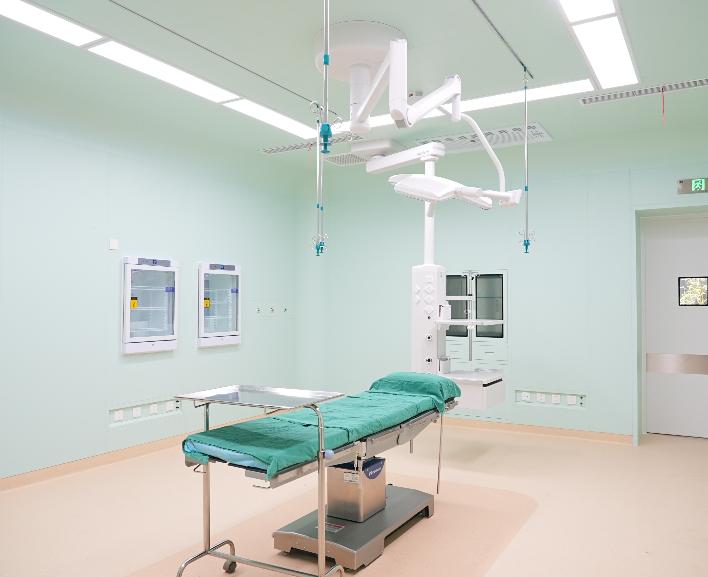
Daily Cleaning Protocols to Maintain a Clean Operating Room
Beginning-of-Day, Between-Patient, and End-of-Day Routines Aligned with AORN & CDC Standards
Structured daily protocols are foundational for infection control in any clean operating room. AORN (Association of periOperative Registered Nurses) guidelines emphasize three critical phases:
- Pre-operative routines: Disinfect all surfaces, equipment zones, and ventilation grilles using EPA-registered agents before the first case.
- Between-patient turnover: Replace linens, sanitize high-touch surfaces (e.g., anesthesia carts, surgical lights), and manage waste using color-coded bags.
- Post-operative deep cleaning: Apply sporicidal disinfectants to floors and walls with mandated 10-minute contact time.
Adherence to these phases reduces surgical site infections (SSIs) by 35% when paired with CDC-recommended audit checklists. Consistency in timing and agent selection ensures microbial load stays below ISO Class 5 thresholds.
Clean-to-Dirty, Top-to-Bottom Technique: Minimizing Cross-Contamination During Rapid Turnover
This method prioritizes workflow efficiency while containing pathogens. Staff must:
- Start cleaning from least-contaminated areas (e.g., overhead lights) toward high-burden zones (floor near surgical field).
- Use unidirectional wiping motions with microfiber cloths saturated in tuberculocidal disinfectant.
- Segregate cleaning tools by zone to prevent backflow contamination.
Studies show this approach reduces particle transfer by 78% during 15-minute turnovers. Crucially, all personnel must complete competency-based training on these protocols quarterly to maintain technique rigor under time pressure.
Terminal Disinfection Strategies for SSI Prevention in the Clean Operating Room
EPA-Registered Sporicidal Disinfectants and Critical Contact Time Compliance
To properly disinfect terminals, facilities need to use EPA registered sporicidal products that actually work against tough bugs such as C. difficile. The timing matters a lot here too. Most manufacturers recommend letting their solutions sit on surfaces for around 5 to 10 minutes before wiping them off. Facilities should definitely check how long surfaces stay wet during this process because if the product dries too soon, those stubborn spores might survive. This approach follows what the CDC recommends for operating rooms where they prioritize getting rid of germs even if it takes extra time instead of going for the quickest solution available.
How Terminal Cleaning Adherence Correlates with Surgical Site Infection Reduction
Regular terminal cleaning cuts down on Surgical Site Infections quite effectively. According to CDC reports, hospitals where staff clean rooms at least 90 percent of the time see their infection rates drop around 35% each year. Why does this happen? Because those pesky bacteria colonies tend to hide out on things like anesthesia equipment, ceiling lights, and door panels. Many facilities now check these spots daily with ATP swabs to make sure they\'re actually getting rid of germs properly. When hospital workers know someone is watching, they tend to follow protocols better, which ultimately means healthier patients walking out after surgery.
Targeted Cleaning of High-Touch Surfaces in the Clean Operating Room
The 12 Highest-Risk Surfaces Identified in AORN’s 2022 Environmental Hygiene Audit
The 2022 Environmental Hygiene Audit from AORN found there are actually 12 key spots in clean operating rooms where staff should focus their cleaning efforts because these areas get touched so often during surgery. Think about things like controls on the operating table, parts of anesthesia machines people reach for, handles on surgical lights, those door push plates everyone uses, computer keyboards, telephone handsets, IV pole adjusters, medication cart handles, touchscreen monitors, cabinet pulls, rails on stretchers, and even sink faucets. When not properly cleaned, these surfaces become real trouble spots for spreading germs around the OR. If we ignore them, the risk of cross contamination goes way up since dirt and bacteria build up between cases. Cleaning all 12 points regularly with what the hospital approves cuts down on harmful bacteria by something like 70 percent, which helps keep patients safer from infections after surgery. Regular checks of these risky areas also help make sure everyone follows proper cleaning rules and stays accountable for keeping the operating room as sterile as possible.
Sustaining a Clean Operating Room Through Staff Training and Accountability
Keeping operating rooms truly sterile requires consistent effort from everyone involved, especially when it comes to staff training and making sure people know who does what. Just having good cleaning equipment isn\'t enough if the team doesn\'t understand proper infection control techniques. That\'s why most hospitals implement thorough training programs right from day one for new staff members. These sessions typically include how to put on gowns correctly, what kinds of things can spread germs around, and plenty of practice time following those tricky AORN guidelines they\'ve made. Then there are these annual refresher courses too, which help keep everyone updated about newer methods such as incorporating UV-C lights into their routine checks. The goal is simple really: stop those pesky surgical site infections before they become a bigger problem down the road.
Accountability structures prove equally critical when sustaining sterile environments. Facilities reporting the lowest SSI rates implement three core measures:
- Routine audits using checklists aligned with CDC environmental hygiene standards
- Real-time feedback during shadowed cleaning sessions
- Performance metrics integrated into professional development reviews
These interdependent approaches create self-policing cultures where technicians proactively correct protocol deviations. One multi-hospital study showed 68% lower surface contamination in facilities combining monthly training with audit transparency compared to those using training alone.
Frequently Asked Questions
What is the importance of adhering to AORN & CDC standards?
Adhering to AORN & CDC standards is critical for infection control. It reduces surgical site infections significantly and ensures that microbial loads are kept below safe thresholds.
Why is EPA-registered sporicidal disinfectants necessary?
EPA-registered sporicidal disinfectants are necessary because they efficiently eliminate resilient pathogens such as C. difficile, ensuring the operating room is germ-free.
What are the high-touch surfaces in operating rooms?
High-touch surfaces include operating table controls, anesthesia machine parts, surgical light handles, computer keyboards, and more.
How can staff training help maintain a clean operating room?
Staff training ensures that everyone understands and follows infection control protocols and helps prevent surgical site infections.
Table of Contents
- Daily Cleaning Protocols to Maintain a Clean Operating Room
- Terminal Disinfection Strategies for SSI Prevention in the Clean Operating Room
- Targeted Cleaning of High-Touch Surfaces in the Clean Operating Room
- Sustaining a Clean Operating Room Through Staff Training and Accountability
- Frequently Asked Questions

