 EN
EN

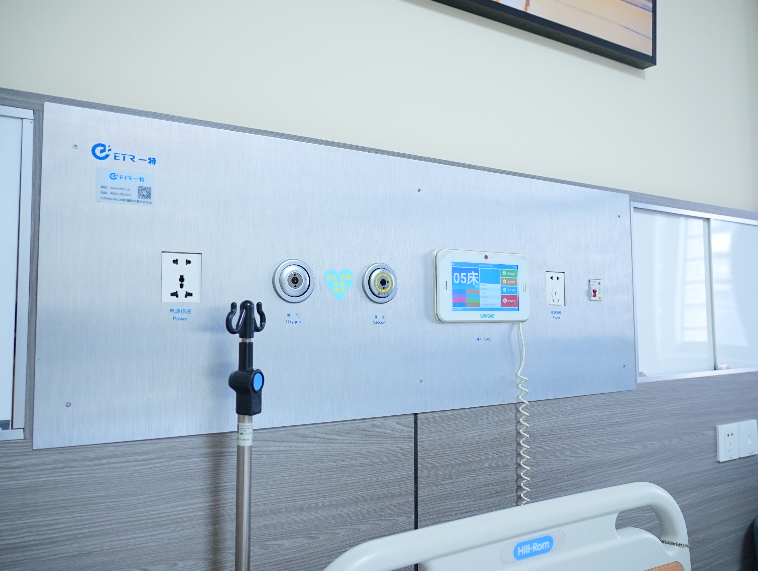
Medical Gas Integration and Equipment Mounting for High-Acuity & Bariatric Care
Custom Oxygen, Air, and Vacuum Interfaces with Real-Time Pressure Monitoring
Medical gas outlets at the head of hospital beds employ special safety systems based on diameter indexing to stop dangerous cross connections between oxygen, medical air, and vacuum lines. These safety measures make sure patients get the right gases according to NFPA 99 guidelines. The system includes digital pressure sensors that constantly check the integrity of these lines while monitoring flow rates in real time. When readings drift more than plus or minus 3 percent from normal levels, the system sends out warnings so staff can act quickly before any interruption happens during life saving treatments. For patients needing extra respiratory support due to their size, the gas lines are built stronger to handle increased flow requirements. Every part of these specialized systems meets the strict mechanical specifications and pressure ratings outlined in NFPA 99 standards for healthcare facilities.
IV Pole, Monitor Arm, and Integralift Hoist Mounting for Safe Patient Mobility
Ceiling mounted systems that are reinforced provide safer mobility options for patients who need intensive care or have higher weight requirements. The Integralift hoist connects right onto the bed frame itself and can handle weights up to around 1,000 pounds. This setup gets rid of those pesky trip hazards we often see with traditional methods and makes patient transfers much smoother overall. We also see retractable IV stands along with adjustable monitor arms that lock into place at comfortable heights for medical staff. These monitors come equipped with special breakaway features which help prevent injuries when things get chaotic during emergency situations. When everything is mounted overhead like this, it cuts down on all the clutter that usually piles up in critical care areas. Floor space becomes about half what it was before when compared to regular standalone equipment setups, making transfers for larger patients considerably easier.
Infection Control and Safety Design for Vulnerable Populations
Seamless Surfaces, Sloping Tops, and Ceiling-Height Installation to Reduce Pathogen Retention
When bed head units have those smooth, seamless surfaces without any joints or gaps, they basically get rid of all those little spots where bad germs love to hide. Clinical studies actually show this cuts down infection risks quite a bit, maybe around 35 to 40 percent give or take. The design includes a small 5 degree angle built right into the flat parts so water just doesn't sit there collecting. And when these units go all the way from floor to ceiling, there's nowhere for dust to collect underneath either. For people with weak immune systems, this matters a lot because regular equipment made from materials that absorb stuff can still hold dangerous microbes even after cleaning, sometimes for days afterwards. Some models now come with special copper or ceramic coatings that kill off bacteria naturally without needing harsh chemicals for disinfection.
Anti-Ligature Fixtures, Tamper-Resistant Outlets, and Non-Porous Materials for Mental Health & Immunocompromised Settings
Components designed with safety in mind manage both behavioral health requirements and infection control needs. For instance, IV hooks will break away when subjected to forces exceeding 15 kilograms, while recessed electrical outlets need special magnetic tools to open them. The surfaces themselves are made from solid materials like mineral resin composites that stand up well against stains, scratches, and bacteria getting through. Hospitals have found something interesting in their psychiatric wards and cancer treatment areas: these non porous surfaces cut down on harmful germs by nearly 90% compared to regular laminated surfaces. There's also monitoring systems built right into these environments that spot any tampering efforts. These systems help facilities maintain those strict zero ligature policies required by organizations such as the Joint Commission and other behavioral health regulations across different healthcare settings.
Bed Head Unit Layout Configurations Optimized for Clinical Workflow and Space Constraints
Full Cabinet, L-Shaped, and Goalpost Designs: Matching Form to Function Across Multi-Bed Bays and Hospice Rooms
How bed head units are laid out makes a big difference for clinicians working efficiently, keeping patients safe, and making best use of available space. Full cabinet systems bring together all those essential things - medical gases, power outlets, data connections, and storage spaces - into neat vertical towers. These work great in single bed hospice rooms where staff need everything at hand without having to deal with wall mounted equipment sticking out everywhere. L-shaped models really come into their own in tight ICU corners, giving access from two sides while taking up minimal floor area. When dealing with multiple beds in a bay, goalpost style layouts stretch across between beds using overhead arms. This lets nurses monitor several patients at once and keeps cables from becoming an eyesore and tripping hazard. According to a study published last year in Healthcare Design Review, when hospitals match these configurations properly, nurses end up walking around 40% less in busy wards. Choosing materials matters too. Stainless steel or non porous laminate surfaces help fight infections better than other options, and still pack plenty of functionality into each unit despite these requirements.
Key considerations for layout selection:
- Workflow alignment: Goalpost designs enhance sightlines between beds in emergency departments
- Storage vs. footprint tradeoffs: Full cabinets suit chronic care; L-shapes optimize neonatal and step-down units
- Future expansion: Modular frameworks allow plug-and-play integration of new technologies–including telehealth interfaces and wireless sensor hubs
This strategic alignment of form and function ensures seamless integration with clinical routines while addressing spatial constraints across specialized care environments.
Smart Integration of Nurse Call, Lighting, and Power for Enhanced Patient Autonomy
Dual-Channel Nurse Call with Visual/Audible Alerts and Emergency Lockdown Triggers
Nurse call systems with dual channels built into custom bed heads offer backup communication routes so alerts still get through when networks go down. The visual signals like those colored ceiling lights work alongside sound alarms that adjust based on background noise levels, making them easier for people with hearing issues or vision problems to notice. When things get tense or there's a security issue, these systems can lock down rooms right away by blocking exits and sending automatic alerts to security staff. According to Healthcare Safety Journal from last year, facilities using this tech saw their emergency response times drop by around 34% in dangerous situations. Patients benefit too since the controls are easy enough for anyone to reach out for help whenever needed. Plus, during emergencies, everything ties together with lighting and power systems to create safe areas without needing someone to run around fixing stuff manually all the time.
Frequently Asked Questions
What is the main purpose of medical gas integration systems?
The primary purpose is to ensure that patients receive the correct gases safely and efficiently, following NFPA 99 guidelines, while offering real-time pressure and flow monitoring to prevent any interruptions in life-saving treatments.
How do seamless surfaces in bed head units help in infection control?
Seamless surfaces eliminate joints and gaps where pathogens could otherwise breed, thereby significantly reducing infection risks and promoting better hygiene for vulnerable populations.
What is the advantage of using L-shaped bed head unit layouts in ICU settings?
L-shaped models are beneficial in tight ICU corners as they offer easy access from two sides with minimal floor space usage, enhancing workflow efficiency and patient safety.
How do dual-channel nurse call systems enhance patient safety?
These systems provide backup communication routes, ensuring alerts are delivered even if primary networks fail, thus enhancing safety during emergencies.

