 EN
EN

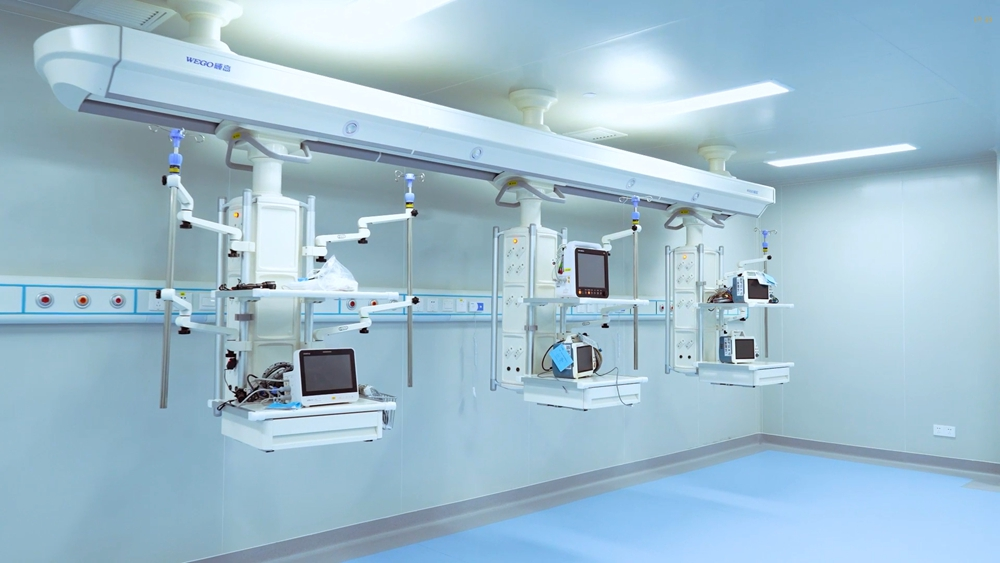
Understanding Hospital Clean Room Classification and Compliance Requirements
ISO 14644-1 Standards: Matching Clean Room Classes to Clinical Functions (e.g., OR vs. Sterile Compounding)
The way hospitals classify their clean rooms according to ISO 14644-1 standards basically sets limits on how many airborne particles can be present in each cubic meter of air space. These limits are closely tied to the actual risks patients face in different clinical settings. For areas where sterile preparations happen, especially when mixing dangerous drugs such as chemo treatments or IV nutrition solutions, they need to hit what's called ISO Class 5 standards. That means no more than around 3,520 particles larger than half a micrometer per cubic meter. It's actually the strictest requirement for spaces that don't produce anything themselves. Operating rooms usually stick with ISO Class 7 requirements instead, which allows about 352,000 particles of similar size per cubic meter. The difference makes sense because surgeries tend to last shorter periods and surgeons just cannot tolerate any dust or debris floating around during operations. How these classifications match up with what happens inside those rooms really shapes important choices about heating, ventilation systems, and overall facility design.
- ISO Class 5 zones require ≥240 air changes per hour (ACH) with unidirectional laminar airflow
- ISO Class 7 areas require ≥60 ACH with turbulent-mixing airflow
Mismatched classification—such as applying OR-grade standards to sterile compounding—has triggered FDA enforcement actions, including warning letters for failure to maintain aseptic conditions during hazardous drug preparation.
Regulatory Alignment: Navigating FDA, USP <797>/<800>, and Joint Commission Expectations
When it comes to healthcare facilities, there are really three main regulatory frameworks they need to work with. First off, the FDA's cGMP requirements cover environmental monitoring and keeping proper documentation. Then there's USP <797> which deals specifically with how sterile compounding facilities should be designed, tested, and what kind of practices personnel need to follow. And finally, USP <800> focuses on handling hazardous drugs safely, making sure there's proper containment, and protecting workers from exposure. The Joint Commission checks if these rules are actually being followed during surprise accreditation visits. They're not looking at policies on paper but want to see real proof like particle count logs, whether staff can properly put on protective gear, and records showing correct pressure differentials throughout the facility. If a facility isn't compliant, things get serious fast. Facilities might receive warning letters from the FDA, lose their compounding privileges due to USP citations, or face probation status or even have their accreditation denied by the Joint Commission altogether. Looking at recent enforcement statistics paints a clear picture too. About 62 percent of problems found in sterile compounding areas relate to issues with airflow systems or pressure controls failing. This highlights why having monitoring systems that work together in real time makes such a difference, along with staff training programs that cover all three of these important standards consistently.
HVAC Design Essentials for Hospital Clean Room Air Quality Control
HEPA Filtration, Air Changes per Hour (ACH), and Flow Regimes for Infection Prevention
HEPA filters form the backbone of protection in hospital clean rooms, capturing about 99.97% of all particles that are 0.3 microns or larger. This includes things like bacteria, fungal spores, and even what carries viruses around. The number of air changes per hour needed depends on two main factors: the ISO classification and what kind of work happens there. For example, when dealing with sterile compounds under ISO Class 5 standards, facilities typically need between 70 to 160 air changes per hour, though many actually go beyond 240 in real world settings. Support areas classified as ISO Class 8 can get away with much less, usually operating fine with just 15 to 25 air changes. Choosing the right airflow pattern matters too. Laminar flow systems create this steady, smooth movement across important work areas like IV preparation stations or during surgeries. Turbulent flow works better for those less critical spaces such as buffer zones or anterooms where risk levels aren't so high. Studies have shown keeping at least 20 air changes per hour cuts down on living microbes by around 90% in these medical settings. So managing how air moves through these spaces isn't just following rules; it's actually one of the most important ways hospitals prevent infections from spreading.
Pressure Differential Strategies: Positive Pressure for Aseptic Zones, Negative Pressure for Containment
The use of pressure differences creates what we call passive contamination barriers in healthcare settings. For clean areas such as operating rooms and ISO Class 5 buffer spaces, maintaining positive pressure around +10 to +15 Pa pushes filtered air outwards, which stops dirty corridor air from getting in. On the flip side, rooms designed for containing infections need negative pressure, typically at least -2.5 Pa. These special isolation rooms and hazardous drug areas pull air inward instead, keeping dangerous particles where they belong. Proper setup and ongoing monitoring makes all the difference. Studies show that when done right, these pressure gradients stop about 98% of contamination problems between connected rooms. Most facilities now rely on automated monitoring systems working together with adjustable dampers to meet USP standards. And it's not just theory either pressure issues were behind nearly a third of all inspection failures last year in sterile compounding operations according to recent reports.
Clean Room Layout and Surface Design to Reduce Contamination Risk
Unidirectional Workflow Planning: Gowning Sequencing, Airlock Staging, and Separation of Clean/Dirty Streams
The foundation for effective contamination control lies in strict one-way workflows that everyone follows. People moving around, along with their tools and materials, need to stick to separate routes starting at the "dirty" areas where they prepare and put on protective gear, then progressing through increasingly clean spaces until reaching the ISO certified zones. The process of getting dressed happens in stages across several airlock checkpoints like this: first scrubbing in, then putting on all the necessary clothing, and finally entering the clean area. Each step forward brings higher cleanliness levels thanks to carefully controlled pressure differences and those HEPA filtered air showers we see everywhere now. Important spots where things switch from dirty to clean, such as those pass through autoclave chambers or doors that only open one at a time, help maintain proper pressure balance throughout the facility. Keeping these areas physically separated stops messy tasks like cleaning equipment or dealing with waste from messing up the sterile environments. This approach not only meets the requirements set out in standards like ISO 14644-1 but also supports compliance with USP chapter 797 about maintaining good environmental conditions.
Contamination-Resistant Materials: Seamless Radius Coving, Antimicrobial Finishes, and Low-Particulate Surfaces
The way surfaces are designed plays a big role in keeping clean rooms intact over the years. Those seamless radius covings we see around 50 to 100 mm get rid of those pesky corners where bacteria love to hide and cleaning just doesn't work as well. When floors and walls are made as one piece with proper welding, they stop microbes from hiding in seams and particles from flying off everywhere. For touch points like door handles and control panels, antimicrobial copper treatments have shown great results too. Some studies in Infection Control Today last year showed these surfaces cut down bacteria by nearly all after repeated testing. Materials that don't create particles matter a lot too. Powder coated stainless steel works well alongside solid polymer panels and epoxy coatings that stand up to constant cleaning. These materials keep their shape and stay within ISO standards for air quality even after months of regular disinfecting.
FAQ
What are the key clean room classes in hospitals?
Hospitals typically use ISO Class 5 for sterile compounding areas and ISO Class 7 for operating rooms, depending on the level of particle control required.
Why are air changes per hour (ACH) important in clean rooms?
ACH is crucial for maintaining air cleanliness. For instance, ISO Class 5 areas need ≥240 ACH to control airborne particles effectively, ensuring a sterile environment.
How do hospitals ensure compliance with regulatory standards?
Hospitals adhere to standards like FDA's cGMP, USP <797>/<800>, and Joint Commission requirements, verified through monitoring systems and audits.
What is the role of HEPA filters in clean rooms?
HEPA filters capture 99.97% of particles 0.3 microns or larger, critical for infection prevention in hospital clean rooms.

