 EN
EN

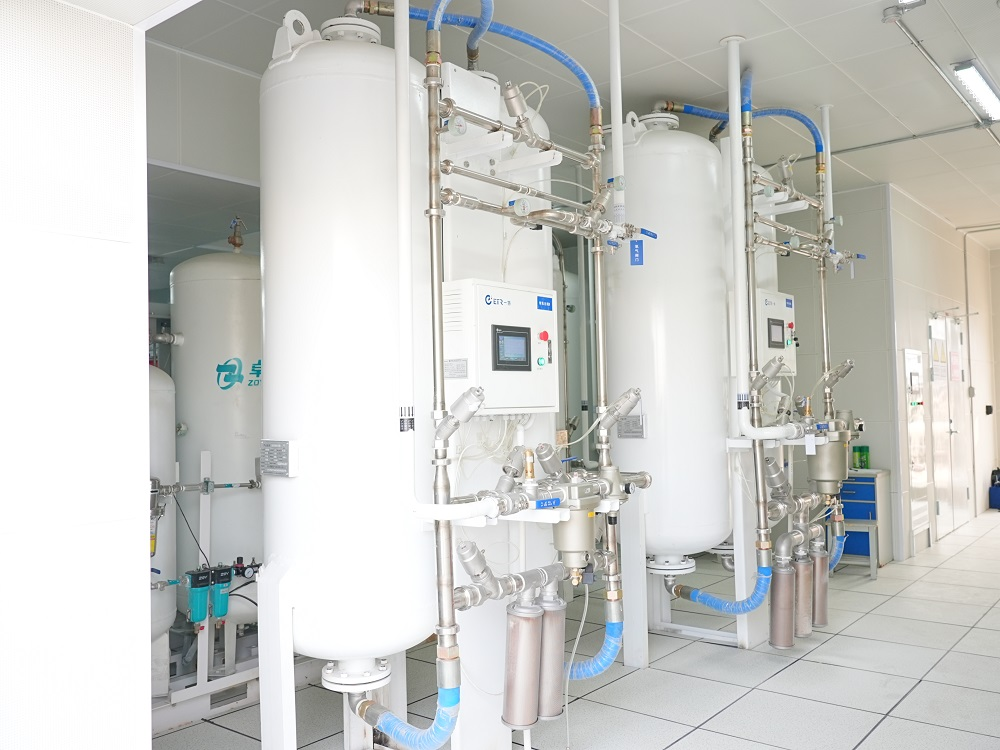
Medical-Grade Oxygen Purity and Regulatory Compliance
Why 93%+ Oxygen Purity Is Non-Negotiable for ICU Ventilation and HFNC
For ICU ventilation systems and high-flow nasal cannulas (HFNC), maintaining oxygen purity at or above 93% is really important if we want proper gas exchange and avoid those dangerous situations where tissues don't get enough oxygen. The U.S. Pharmacopeia actually requires bulk medical oxygen to be over 99.5% pure, but most on-site generators in ICUs are designed to hit around that 93% mark, which studies have shown works well enough for critically ill patients needing breathing support. When oxygen levels drop below this benchmark, something happens with nitrogen and argon mixing in that can lower blood oxygen levels by anywhere from 4 to 9 percent in already vulnerable individuals according to Ponemon's research from 2023. That puts organs at real risk of not getting enough oxygen. What makes things worse is how modern ventilators react when they detect lower purity levels. They just keep pumping more air through, which means hospitals run out of their limited oxygen supplies much faster during shortages. Getting consistently good oxygen quality matters a lot when dealing with serious conditions like ARDS or pneumonia after COVID infection. Even small boosts in oxygen delivery can make all the difference between life and death in these cases.
Key Certifications: FDA 510(k), ISO 8573-1 Class 1, and EN 13544-1 Explained for Procurement Teams
Procurement teams must verify three foundational certifications before deploying an oxygen generator in critical care:
- FDA 510(k) clearance: Confirms safety and substantial equivalence to legally marketed predicate devices
- ISO 8573-1 Class 1: Guarantees ≤0.1 mg/m³ oil aerosols and ≤1 particle/m³ at 0.1 μm—preventing lipid pneumonia and filter clogging
- EN 13544-1: Validates reliability of alarm systems for respiratory therapy equipment, including response time and fault detection
These standards work together to cut down on serious problems like oil getting into the system, late warnings about low oxygen levels, and those constant false alarms that drive staff crazy. According to research from Johns Hopkins in 2023, equipment without proper certification had almost a quarter more major issues when there were power problems. When looking at medical oxygen systems, don't forget to check for recent test results no older than a year. The rules say annual checks are mandatory across both FDA and EU regulations, so it's worth making this part of regular maintenance routines.
Critical Flow Rate, Pressure Stability, and ICU Device Integration
Matching 10–100 L/min Output and Consistent 50–60 psi to Ventilators, HFNC, and Nebulizers
Respiratory equipment in intensive care units works best when oxygen delivery stays within strict limits. Most ventilators consume between 10 and 30 liters per minute, while high flow nasal cannula (HFNC) systems sometimes push requirements up to 100 L/min when patients experience severe breathing problems. Nebulizers have different needs entirely, requiring just 6 to 10 L/min but needing steady pressure around 50 to 60 psi to properly create the medication mist. When pressure falls below 50 psi, drug delivery becomes significantly less effective, potentially dropping efficiency by as much as 40%. On the flip side, pressure spikes over 60 psi risk damaging delicate internal components. Even small changes matter a lot too - fluctuations of just 5 psi while someone is on a ventilator can lead to alarm warnings almost instantly. For this reason, any good ICU oxygen system needs to maintain:
- Dynamic flow scaling across the full 10–100 L/min range
- Pressure stability within ±2 psi under variable load
- Instantaneous compensation when switching between devices
Units lacking adaptive pressure control and real-time flow monitoring risk treatment interruption during multi-device operation—compromising both clinical efficacy and regulatory compliance.
24/7 Reliability: Redundancy, Power Resilience, and Uptime Assurance
Dual-Generator Architecture vs. Hybrid (Oxygen Generator + Liquid Backup): Real ICU Uptime Benchmarks
Maintaining a steady oxygen supply is absolutely essential in any life support setting. Systems that use dual generators work pretty well here. These setups have two separate systems running side by side with automatic switching between them when needed, which gets us around 99.95% uptime and removes those pesky single point failures we all hate. There's also something called hybrid systems out there that mix onsite generation with stored liquid oxygen tanks. This combination lets the backup kick in almost instantly if the main system fails somehow. Looking at actual numbers, standard dual generator systems typically experience about 26 minutes of downtime per year. But these hybrid versions cut that down to just 5 minutes because they don't need to wait for mechanical parts to start up first. Both options meet the minimum 99.9% reliability standard required for medical equipment, though hybrids tend to perform better in places where power grids aren't so stable or where long outages are possible.
Seamless UPS and Emergency Generator Integration: Mitigating Grid Failure Risk
Power resilience is foundational to uninterrupted oxygen therapy. Uninterruptible Power Supplies (UPS) bridge 0–30 second grid failures; Automatic Transfer Switches (ATS) activate emergency generators within 10 seconds—preserving the 50–60 psi pressure envelope essential for ventilator and HFNC function. ICU oxygen generators must be engineered for:
- Minimum 30-minute UPS runtime at peak flow (100 L/min)
- Dual-circuit power feeds to eliminate single-cable failure modes
- Weekly load testing of backup generators
This tiered approach ensures ≤26 minutes of annual downtime—even during prolonged 72-hour blackouts—and supports verified availability of 99.995% in facilities that fully eliminate power single points of failure.
Smart Monitoring, Safety Alarms, and Remote Management for ICU Oxygen Generators
Today's ICU oxygen generators come equipped with smart monitoring tech that keeps track of oxygen purity levels at or above 93%, flow rates between 10 to 100 liters per minute, and pressure ranges of 50 to 60 psi all day long. When something goes off track, these systems automatically set off lights and sounds to grab attention and send alerts across hospital networks. For instance, if pressure starts fluctuating and messes up how ventilators work together, or if the oxygen purity drops below safe levels for High Flow Nasal Cannula therapy, the system lets everyone know immediately. The Internet of Things has also made it possible to monitor oxygen levels in entire rooms through special sensors. We've seen firsthand how dangerous this can get - during the pandemic years, hospitals reported twice as many incidents in areas where patients needed extra oxygen because the air became too rich in oxygen molecules. Most facilities now have central dashboards that show everything from equipment status to maintenance needs and spare parts stock. Clinical engineers can watch these screens and jump on problems before they escalate, or switch over to backup systems when main ones go down. All this automated stuff cuts down on mistakes people might make and keeps things running within those strict standards set by organizations like ISO and the FDA.
Frequently Asked Questions
- What is the required oxygen purity for ICU equipment?
- For ICU equipment like ventilators and High Flow Nasal Cannula, a minimum oxygen purity of 93% is essential to ensure effective treatment and patient safety.
- Which certifications are crucial for oxygen generator procurement in healthcare settings?
- The key certifications include FDA 510(k) clearance, ISO 8573-1 Class 1, and EN 13544-1, ensuring the equipment meets safety and performance standards.
- How does pressure stability affect ICU equipment operation?
- Pressure stability is vital for effective medication delivery and patient safety. Variations in pressure can lead to ineffective treatment and equipment damage.
- Why is redundancy important in oxygen supply systems for ICUs?
- Redundancy, through dual-generator architecture or hybrid systems, ensures a continuous oxygen supply and reduces downtime risk.
- How is smart monitoring used in ICU oxygen generators?
- Smart monitoring systems track oxygen purity, flow rates, and pressure, alerting staff of any deviations to maintain patient safety and compliance.

