 EN
EN

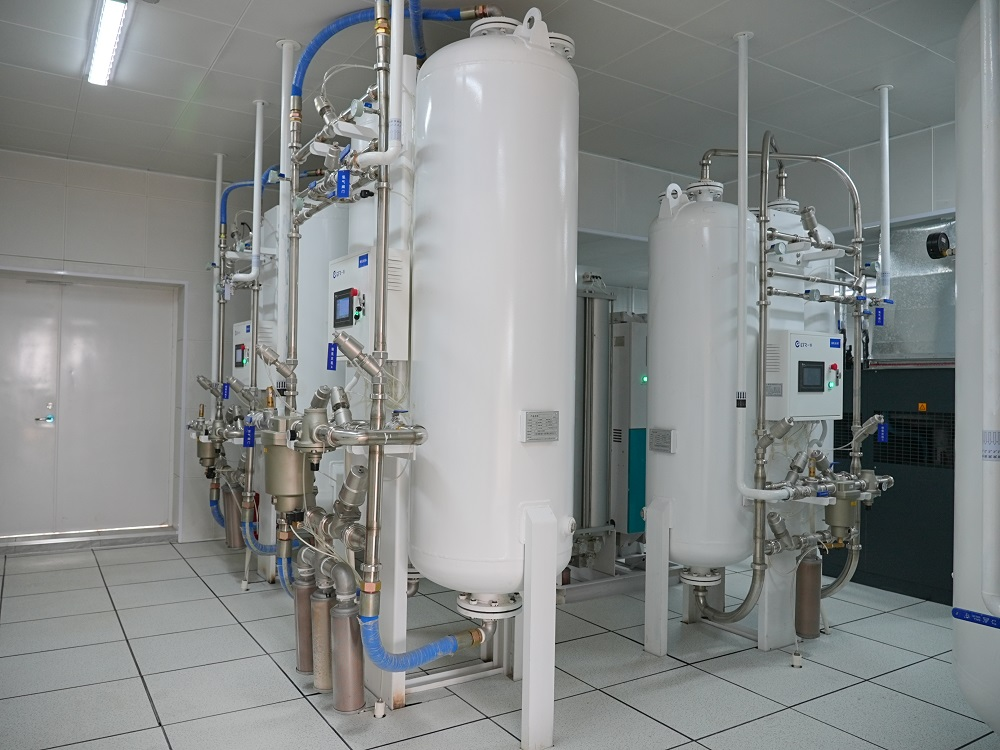
Medical-Grade Oxygen Purity and Continuous Output Stability
Meeting ISO 8573-1 Class 1 & ISO 7396-1 Requirements for Patient-Safe Gas
Medical oxygen production facilities need to supply gas that meets strict ISO 8573-1 Class 1 purity standards. That means at least 99.5% oxygen content, no more than 0.5 parts per million hydrocarbons, and under 0.1 milligrams per cubic meter of oil contamination. They also have to follow ISO 7396-1 guidelines for pipeline safety. Why does all this matter? Because clean oxygen without moisture, carbon dioxide, dust particles, or other impurities is absolutely critical for patient health. Think about what happens during ventilator support, when caring for newborns, or during complex surgeries where even tiny amounts of contamination can make a big difference. The systems come equipped with built-in oxygen analyzers that monitor quality constantly. If the purity drops below 93%, which is considered the bare minimum for effective treatment, alarms go off immediately. Getting third party certification for these standards isn't just good practice it's essential. It proves the system works reliably in real world conditions and helps prevent dangerous situations like low oxygen levels or equipment breakdowns that could put lives at risk.
PSA System Design: Consistent 93–95% O₂ Delivery Under Variable Load and Ambient Conditions
PSA oxygen plants maintain around 93 to 95 percent purity thanks to their backup adsorbent towers and smart control systems that adapt as needed. When there's a spike in demand, like what happens in intensive care units when patients suddenly need more oxygen, special flow valves kick in to tweak the adsorption process and stop any drop in purity levels. The system works well even when temperatures swing wildly between minus 20 degrees Celsius and 50 degrees Celsius, which means it can handle pretty much any environment out there whether it's hot and humid tropics, mountainous regions at high altitude, or places where seasons change dramatically. Two large buffer tanks help keep the output steady, and the piping is designed to lose almost nothing (less than 0.1% volume per hour), so pressure stays intact most of the time. What makes this setup really stand out is how it keeps going without interruption through those daily changes in usage patterns or if generators fail somehow. Plus, it runs on about 1.1 kilowatts per cubic meter, cutting energy costs by roughly 40% compared to older cryogenic methods.
Built-in Redundancy and Fail-Safe Architecture for Critical Care Continuity
Dual Compressors, Twin PSA Beds, and Seamless Auto-Failover Mechanisms
Redundancy in hospital oxygen systems is not something hospitals can skip over if they want to keep patients alive. Most facilities have two air compressors running side by side along with pairs of PSA beds that work together. When these systems run parallel like this, oxygen keeps flowing even when someone needs to service equipment or parts break down. Imagine what happens if one compressor goes kaput? Well, smart pressure sensors kick in almost instantly, switching over to backup units in about two seconds flat. Same thing applies to those PSA beds too. They take turns doing their job without stopping the oxygen supply or messing with its purity level. Hospitals typically get between 93% and 95% pure oxygen delivered right to patient rooms even during busy times. Why does all this matter? Because such design removes any weak spots where failures could happen, which means these systems meet important standards like ISO 7396-1 regarding medical gas reliability. Makes sense really, doesn't it?
Integrated Backup: Liquid Oxygen or Cylinder Manifold Integration with Automatic Switchover
Hospitals need more than just internal backups when power goes out for long periods. Today's oxygen production facilities connect well with both liquid oxygen tanks and those big pressure cylinders through smart switching systems. The monitors that check oxygen quality can spot problems with the main supply line and automatically switch over to backup without anyone needing to touch anything. By having redundant systems inside plus extra reserves outside, most hospitals maintain almost constant oxygen availability for their intensive care areas. According to reports from medical centers using this approach, there have been no service interruptions even during major blackouts, earthquakes, hurricanes, or when delivery trucks get stuck somewhere along the way.
Regulatory Compliance, Safety Certification, and Fire-Rated Design
Global Approvals: FDA 510(k), CE Marking, and Alignment with WHO Essential Standards
Getting medical oxygen plants certified globally is no small task if we want them safe for patients and ready for regulations. The FDA's 510(k) process basically says a device is similar enough to something already on the market in America. Meanwhile over in Europe, getting that CE mark means meeting all sorts of requirements from their Medical Device Regulation 2017/745. We're talking things like being able to track every component, managing risks properly, and doing proper clinical evaluations. When manufacturers align with WHO's Essential Standards too, they create equipment that works better in places where resources are scarce. Think about this: almost 8 out of 10 critical care units around the world still struggle to get consistent oxygen supply according to BMJ Global Health research from last year. Organizations such as TÜV SÜD don't just check boxes either. They surprise plant operators with inspections in more than 150 different countries to make sure everything stays up to standard and nobody cuts corners when lives depend on it.
Oxygen-Compatible Materials, <0.1% vol/hr Leak Rate, and ASME B31.1/ISO 8573-9 Adherence
When it comes to fire safety, what materials we choose matters a lot. Copper nickel alloys work great because they don't catch fire easily even when there's lots of oxygen around, which stops those dangerous chain reactions from happening. Every connection point gets tested under pressure to keep leaks below 0.1% volume loss each hour, way better than what NFPA 99 asks for in hospitals. The pressure tanks follow ASME B31.1 rules for power piping, while the air supply systems hit ISO 8573-9 standards for purity levels. Putting all these elements together makes a big difference. According to Fire Safety Journal research from 2022, facilities using certified equipment see about 92% fewer fires than places without proper certification. And remember, regular checks every three months aren't just suggestions but actual requirements to stay compliant with regulations.
Operational Resilience: Uptime, Maintenance Simplicity, and Staff Workflow Integration
Oxygen plants designed for hospitals typically run at around 99.9 percent uptime or better. These systems come with modular components and easy access panels that don't require tools for servicing, which cuts down on how often maintenance needs to happen by about thirty percent. The control panels feature intuitive touchscreens along with smart alarm systems that prioritize alerts based on severity, making it easier for staff to learn how everything works while cutting down mistakes made by humans. Remote monitoring capabilities work right out of the box with most hospital building management systems (BMS). This allows facility managers to track performance in real time and catch problems early through predictive diagnostics before things get bad. Hospitals that have switched to this kind of integrated operation approach often see their emergency repair bills drop by nearly half, plus their equipment tends to last three to five extra years in service.
Total Cost of Ownership: Energy Efficiency, Service Lifecycle, and ROI vs. Alternatives
kW/m³ Efficiency Benchmarks and 5-Year TCO Comparison: On-Site Oxygen Plant vs. Liquid/Cylinder Supply
Total cost of ownership—-not upfront capital expense—-drives optimal oxygen supply decisions. On-site PSA-based oxygen plants achieve industry-leading energy efficiency of 0.4–0.55 kWh/m³, avoiding the hidden energy penalties of liquid oxygen logistics (transport, boil-off, re-liquefaction) and cylinder handling. A 5-year TCO analysis highlights key differentiators:
| Cost Factor | On-Site Oxygen Plant | Liquid/Cylinder Supply |
|---|---|---|
| Energy Consumption | Optimized (0.4–0.55 kWh/m³) | High (transport + storage losses) |
| Maintenance | Predictable, scheduled service | Variable vendor fees and emergency call-outs |
| Operational Downtime | <2% (with full redundancy) | 5–8% due to delivery delays and changeover time |
| 5-Year ROI | 35–50% net savings | Negative ROI after Year 3 |
At first glance cylinder systems seem cheaper, but when looking at real world costs it gets expensive fast. Emergency deliveries typically run around $740 per ton according to Healthcare Logistics Journal from last year, and when factoring in all those extra logistics expenses, labor costs, and time lost waiting for supplies, these traditional methods end up costing 40 to 60 percent more than on site alternatives over just five years. The bigger picture though is about reliability. On site production removes all those supply chain headaches completely. This reliability translates into actual benefits for hospitals. When oxygen keeps flowing without interruption, it means better patient care, fewer infections spreading through facilities, and ultimately improved health outcomes for everyone involved.
FAQ
Why is oxygen purity so important in medical settings?
Oxygen purity is crucial in medical settings because contaminants can significantly impact patient health, particularly in sensitive scenarios like ventilator support, newborn care, or complex surgeries.
How do PSA systems maintain oxygen purity?
PSA systems maintain oxygen purity through smart control systems and backup adsorbent towers that adjust to demands, ensuring a constant 93 to 95 percent purity level.
What safeguards are in place to ensure continuous oxygen supply in hospitals?
Hospitals use redundancy systems, including dual compressors and automatic switchover mechanisms, to ensure continuous oxygen supply even during equipment failures or supply line issues.
What role does certification play in medical oxygen facilities?
Certification ensures that medical oxygen facilities meet global safety standards and regulations, thus reducing risks and ensuring reliable oxygen delivery at all times.
Table of Contents
- Medical-Grade Oxygen Purity and Continuous Output Stability
- Built-in Redundancy and Fail-Safe Architecture for Critical Care Continuity
- Regulatory Compliance, Safety Certification, and Fire-Rated Design
- Operational Resilience: Uptime, Maintenance Simplicity, and Staff Workflow Integration
- Total Cost of Ownership: Energy Efficiency, Service Lifecycle, and ROI vs. Alternatives
- FAQ

