 EN
EN

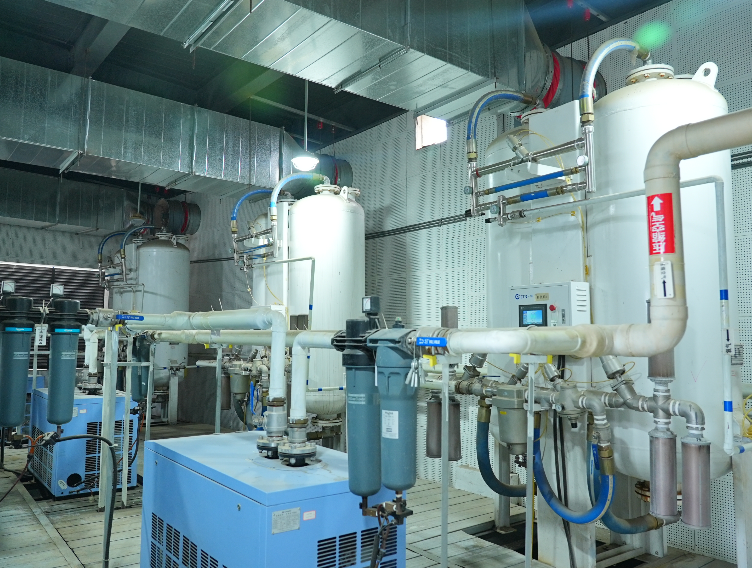
Medical Oxygen Purity and Contamination Control Standards
USP/WHO/FDA Requirements: Why 93% ±3% Oxygen Purity Is Non-Negotiable
Medical oxygen needs to hit at least 93% purity with a margin of plus or minus 3%, according to standards set by organizations like the USP, WHO, and FDA. There's really no room for compromise here either. If the concentration drops below 90%, treatment effectiveness goes down significantly, especially for newborns, people suffering from COPD, or anyone connected to ventilators. When it comes to impurities, anything over 300 parts per million of carbon monoxide or similar amounts of nitrogen dioxide can be seriously dangerous if administered through high flow devices or ventilator systems. For hospitals that rely on PSA oxygen generators, daily checks of oxygen purity are absolutely necessary. These tests need to follow ISO 13485 quality management guidelines so facilities stay compliant and keep their patients safe.
Critical Trace Contaminants in PSA Oxygen Plants: Oil, CO, NO₂, and Moisture Risks
When it comes to medical oxygen produced via pressure swing adsorption systems, there are four main contaminants that pose serious health risks: hydrocarbon oil particles, carbon monoxide, nitrogen oxides, and moisture content. The oil left behind from compressor lubricants can cause lung inflammation problems when levels go above what's allowed under ISO 8573-1 standards for class 1 purity, which is around 0.01 milligrams per cubic meter. Carbon monoxide sticks to red blood cells permanently, leading to oxygen deprivation when concentrations reach over 10 parts per million. Nitrogen dioxide is even worse in some ways, triggering asthma-like symptoms at just 5 ppm. Water vapor creates another headache altogether because it encourages bacteria growth inside those long pipes where oxygen travels before reaching patients. That's why keeping humidity levels extremely low, below minus 40 degrees Fahrenheit dew point, is so critical. To handle all these issues, facilities typically install catalytic converters specifically designed for removing CO and nitrogen compounds, along with special drying equipment and filters that trap tiny particles. Regular testing using gas chromatography remains essential though, since nobody wants anyone getting sick from repeated low-level exposures over time.
Oxygen Plant Reliability for Critical Care Operations
Uptime Benchmarks: 99.99% Availability for ICU and Ventilator-Dependent Wards
Oxygen needs in critical care settings are pretty much non-negotiable, which explains why hospitals aim for that near-perfect 99.99% uptime standard allowing just under an hour of downtime per year. When facilities generate their own oxygen on site, they cut out all those headaches associated with relying on outside suppliers and their cryogenic tank trucks. This approach tackles the weak spots in traditional supply chains head on. A recent study published in the Journal of Critical Care found that around three quarters of problems with ICU support systems actually come down to issues with getting enough oxygen from external sources. So when we talk about reliable oxygen production, it's not just about keeping machines running smoothly anymore—it literally means saving lives during emergencies.
Redundancy Strategies: Dual-PSA Trains vs. Liquid Backup – Balancing Resilience and TCO
When designing redundancy systems, it's important to balance how urgent the clinical needs are against what everything will actually cost over time. The dual PSA train setup gives almost immediate backup when something goes wrong with compressors or sieve beds (less than ten seconds typically), though this comes at about 25% higher initial costs and requires more complicated maintenance work. Liquid oxygen backups are cheaper to start with and easier to operate, costing around 12% more on ongoing expenses, but there's a catch. Switching to liquid oxygen takes between fifteen to thirty minutes, which isn't great for emergency situations. Plus, storing liquid oxygen brings problems like gas losses from evaporation and potential issues with the storage infrastructure itself. Hospitals dealing with patients who could quickly develop dangerous drops in blood oxygen levels still prefer dual PSA systems as their top choice. Recent studies published in Anesthesia & Analgesia back this up, showing that waiting thirty minutes without proper oxygen supply significantly raises patient death rates.
Hospital-Specific Oxygen Plant Sizing and Installation Feasibility
Power, Footprint, and Ambient Air Requirements Across Facility Types
Getting the right size for an oxygen plant involves looking at three main things that all affect each other: power setup, how much space is needed, and what kind of air surrounds the facility. Most small clinics go with compact PSA systems that handle around 5 to 10 cubic meters per hour. These work fine with regular single-phase electricity and take up no more than 15 square meters on the floor. For big city hospitals needing serious output (over 100 cubic meters per hour), they'll need three-phase power connections, separate rooms of at least 50 square meters, plus good HVAC systems built in. The surrounding environment matters too. Places where it's really dry need better filters for dust particles. Tropical areas face different challenges requiring strong moisture control measures. Out in rural locations, backup generators become essential along with designs that can grow as needs change. Hospitals that rely heavily on ICUs absolutely need redundancy built into their plans from day one. That means having things like two compressors so oxygen keeps flowing even when maintenance happens, which protects patients who depend on those life support systems.
Evaluating Oxygen Plant Vendors: Certifications, Turnkey Delivery, and Lifecycle Support
Beyond ISO 13485: Validated Performance Testing, Local Service Network, and Spare Parts SLA
While ISO 13485 certification establishes basic quality standards, hospital procurement departments need to dig deeper when selecting suppliers. Look for companies that can prove their equipment works reliably under actual operating conditions, not just in controlled environments. The World Health Organization recommends maintaining oxygen purity levels between 90% and 96% even during peak demand periods, so ask vendors for documentation showing they meet these requirements across different temperature ranges and pressure fluctuations. When evaluating turnkey solutions, insist on thorough site validation that goes beyond simple installation checks. Factors like air circulation patterns, moisture levels in the facility, and whether piping materials will corrode over time all matter significantly. For hospitals dealing with life support systems, having fast local support makes all the difference. Leading suppliers typically offer emergency response times within four hours for most urban areas, according to recent industry reports. Spare parts availability is another make-or-break factor. Quality manufacturers usually stock replacement components for at least 15 years, including those expensive valves and molecular sieves that tend to fail first. The Healthcare Engineering Journal found last year that lack of timely spare parts causes roughly 70% of preventable system breakdowns in medical facilities. Hospitals that implement proactive strategies like keeping backup filters on site, hiring certified technicians from the original equipment manufacturer, and investing in tested redundancy systems can cut total ownership costs by around 23% versus waiting until something breaks down.
FAQ Section
Why is 93% ±3% oxygen purity critical in medical settings?
The 93% ±3% oxygen purity standard is crucial because concentrations below 90% significantly reduce treatment effectiveness, especially for vulnerable groups like newborns, COPD patients, and those on ventilators.
What are the main contaminants in PSA oxygen plants?
The main contaminants in PSA oxygen plants include hydrocarbon oil particles, carbon monoxide, nitrogen oxides, and moisture content, all of which pose serious health risks.
How is oxygen plant reliability ensured in critical care settings?
Oxygen plant reliability is ensured by aiming for a 99.99% uptime standard, allowing less than an hour of downtime annually, and having robust backup systems in place.
What considerations are important for oxygen plant sizing and installation?
Considerations for oxygen plant sizing and installation include power setup, space requirements, ambient air conditions, and redundancy needs to ensure continuous oxygen flow.
What should hospitals look for in oxygen plant vendors?
Hospitals should look for vendors with proven equipment reliability, local support networks, spare parts availability, and validated performance under different operating conditions.
Table of Contents
- Medical Oxygen Purity and Contamination Control Standards
- Oxygen Plant Reliability for Critical Care Operations
- Hospital-Specific Oxygen Plant Sizing and Installation Feasibility
- Evaluating Oxygen Plant Vendors: Certifications, Turnkey Delivery, and Lifecycle Support
-
FAQ Section
- Why is 93% ±3% oxygen purity critical in medical settings?
- What are the main contaminants in PSA oxygen plants?
- How is oxygen plant reliability ensured in critical care settings?
- What considerations are important for oxygen plant sizing and installation?
- What should hospitals look for in oxygen plant vendors?

