 EN
EN

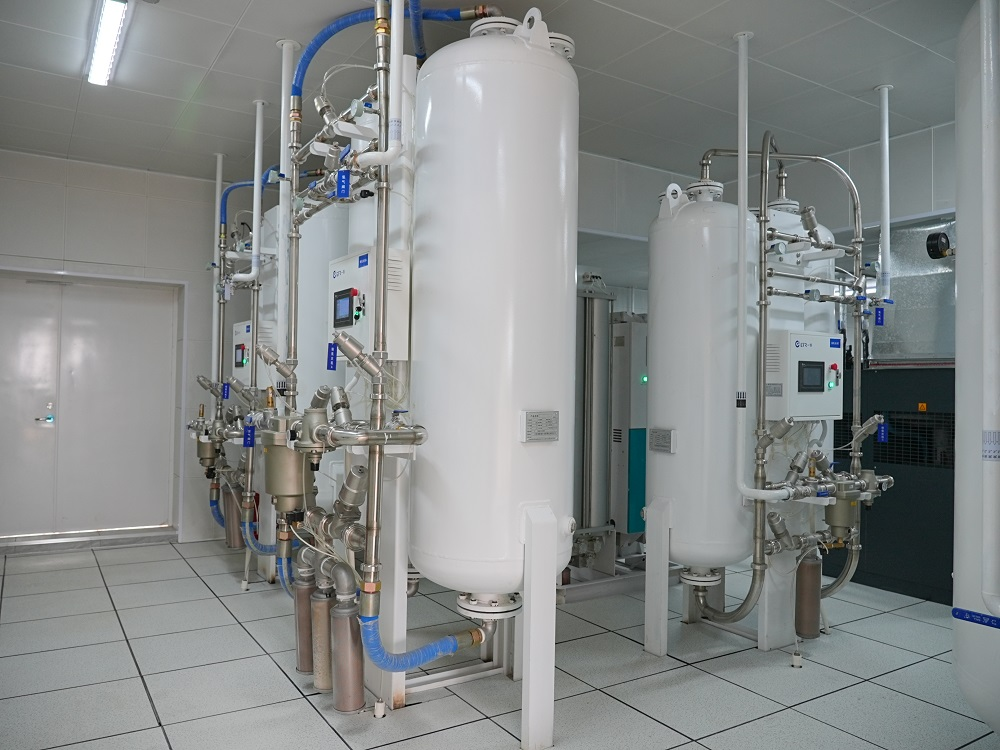
In healthcare and critical industrial settings, compressed air is a lifeline—powering life-saving medical devices, driving precision manufacturing processes, and sustaining operational efficiency. Yet compressed air instability, from pressure fluctuations to unplanned supply interruptions, poses catastrophic risks: compromised patient care in hospitals, halted production lines in factories, and violated regulatory compliance standards. For facilities prioritizing reliability, achieving 99% compressed air supply continuity is not just a goal but a non-negotiable requirement. The root of compressed air instability often lies in outdated systems, inadequate redundancy, poor maintenance protocols, or misalignment with industry-specific pressure and purity standards. Addressing these pain points demands engineered solutions that blend technical precision, proactive design, and real-time monitoring—ensuring compressed air systems deliver consistent performance, even in high-demand or emergency scenarios.
The Hidden Costs of Compressed Air Instability
Compressed air system failures extend far beyond immediate operational downtime. In healthcare environments, unstable compressed air can disrupt ventilators, surgical tools, and diagnostic equipment, directly endangering patient safety and leading to costly medical errors. In industrial sectors, pressure drops or supply gaps cause defective production runs, wasted materials, and missed delivery deadlines—eroding profit margins and brand reputation. Even minor, recurring instability can escalate maintenance costs, as overworked components wear out prematurely and emergency repairs become frequent. For global facilities adhering to ISO 8573, HTM02-01, or NFPA 99 standards, unstable compressed air also risks regulatory non-compliance, resulting in fines, audits, and operational shutdowns. These consequences underscore why a reliable compressed air solution is not an upgrade, but a foundational investment in operational resilience.
Engineered Redundancy: The Backbone of 99% Supply Continuity
The cornerstone of consistent compressed air supply is strategic redundancy design—eliminating single points of failure that trigger instability. Trusted solutions integrate dual-compressor setups with automatic switchover capabilities, ensuring one unit operates at full capacity while the second stands ready to activate instantaneously if pressure drops or equipment malfunctions. This design not only prevents interruptions but also enables "no-shutdown maintenance": technicians can service offline components without disrupting ongoing operations, extending system lifespan and reducing unplanned downtime. Complementary to redundant compressors, high-capacity, pressure-regulated air receivers act as a buffer, absorbing demand spikes and maintaining steady pressure across the entire pipeline network. For extreme environments—such as high-altitude medical facilities or heavy-manufacturing plants—this redundancy is calibrated to account for unique operational stressors, guaranteeing compressed air delivery remains unwavering.
Smart Monitoring & Predictive Maintenance: Proactive Stability
Redundancy alone is insufficient without real-time visibility into system performance. Modern compressed air stability solutions leverage IoT-enabled monitoring systems that track pressure, flow rate, temperature, and filter status 24/7. Alerts are sent instantly to maintenance teams at the first sign of anomaly—such as a clogged filter or a slight pressure deviation—allowing proactive interventions before instability escalates into a full breakdown. Predictive maintenance algorithms analyze historical performance data to identify component wear patterns, scheduling servicing only when needed and eliminating the inefficiencies of reactive or calendar-based maintenance. This data-driven approach not only preserves compressed air continuity but also optimizes energy usage: unstable systems often overwork components, driving up power consumption, while calibrated, monitored systems operate at peak efficiency, reducing operational costs long-term.
Compliance & Customization: Aligning Solutions with Industry Needs
99% compressed air supply continuity cannot be achieved with a one-size-fits-all approach. Trusted providers design solutions tailored to the unique demands of each industry: healthcare facilities require oil-free, medical-grade compressed air meeting ISO 10083 standards, while manufacturing plants may need high-flow systems aligned with production throughput. All solutions are engineered to comply with global regulatory frameworks, ensuring compressed air purity, pressure, and continuity meet or exceed industry benchmarks. From compact hospital setups to large-scale industrial complexes, customization includes pipeline layout optimization, filter selection, and emergency backup integration—ensuring the system not only delivers stable compressed air but also scales with future operational growth.
In a world where downtime is costly and reliability is critical, compressed air instability is a challenge that demands a definitive solution. By combining engineered redundancy, smart real-time monitoring, predictive maintenance, and industry-specific customization, trusted compressed air solutions eliminate the risks of supply gaps and pressure fluctuations—delivering the 99% supply continuity that facilities need to protect lives, sustain production, and uphold operational excellence. For organizations ready to transform their compressed air systems from a source of stress to a pillar of reliability, the right solution turns instability into a problem of the past.

