 EN
EN

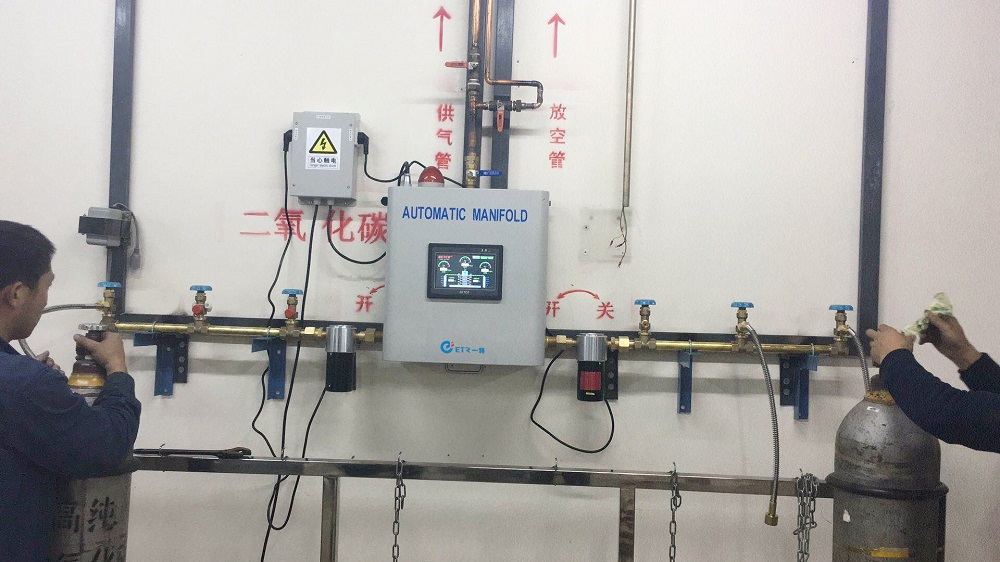
The Role of Pressure Regulation in Medical Gas Manifold Systems
Regulating pressure in medical gas manifolds keeps therapeutic gases flowing consistently to where they're needed most in clinical settings. Oxygen, carbon dioxide, and nitrous oxide all require specific pressure ranges typically somewhere between 50 to 100 psi depending on what kind of gas we're talking about and how it's being used. When these pressures go off track, things can get really bad fast equipment might fail or worse yet patients could be harmed. The NFPA 99 standard from 2021 actually requires having two final line regulators on each manifold so there's backup when someone needs to service one. Looking at hospital records shows something pretty alarming too about 83 percent of problems with gas delivery happen because regulators weren't calibrated right. That number alone makes clear why getting these systems just right matters so much for everyday operations.
How Dome Biased Regulators Manage Pressure Differentials
Dome biased regulators work by balancing the pressure coming in against what goes out through a special kind of diaphragm mechanism. This setup stops those annoying pressure spikes or drops that can mess things up. The good news is these regulators stay pretty accurate within about plus or minus 5 psi when switching between gas cylinders something really important in delicate situations like caring for newborn babies on ventilators. Another great feature is their built in safety aspect which keeps carbon dioxide levels above 50 psi so lines don't freeze up. Most technicians will tell you to check those diaphragms every three months or so just to be safe from pressure drifting over time and keep everything running smoothly.
Pressure Requirements for Medical Gases: Oâ‚‚, COâ‚‚, and Nitrous Oxide
| Gas Type | Standard Pressure Range (psi) | Critical Applications |
|---|---|---|
| Oxygen (O₂) | 50–55 | Respiratory therapy, ICU |
| Nitrous Oxide | 50–60 | Anesthesia delivery |
| Carbon Dioxide | 50–100 | Laparoscopic surgery, CO₂ laser |
COâ‚‚ and Nitrous Oxide Freezing Due to Pressure Drop: Causes and Prevention
When pressure suddenly falls below 45 psi in carbon dioxide or nitrous oxide lines, it triggers fast gas expansion that can drop temperatures down around minus 78 degrees Celsius, creating ice blockages that shut things down. Medical facilities combat this problem through installation of heated manifolds along with constant watch on pressure changes across the system. According to industry standards, following NFPA 99 guidelines cuts freeze problems roughly 90 something percent versus older non-compliant equipment. Regular checkups of valves throughout the year plus keeping track of surrounding temperatures helps prevent those annoying frost issues that disrupt operations so frequently.
Tables and data simplified for clarity. Always consult NFPA 99 and ISO standards for facility-specific requirements.
Real-Time Monitoring and Alarm Systems for Pressure Management
Real-Time Pressure Monitoring in Medical Gas Delivery Systems
Today's medical gas manifold setups rely on pressure sensors along with digital control units to keep track of pipeline pressures within around 2% accuracy according to ISO standards from 2022. What happens is these monitoring systems constantly check the actual pressure levels against what they're supposed to be - like between 8 and 55 psi for oxygen lines, while nitrous oxide needs to stay somewhere between 45 and 55 psi. When things get out of whack, the system lets people know through flashing lights or warning sounds so someone can take action before problems arise. Some of the fancier models actually hook up to larger building management systems too. This connection allows facilities staff to manage all those alarms from one central location and even look at historical pressure data remotely using MODBUS TCP/IP communication protocols, which has become pretty standard practice across hospitals nowadays.
Backup Gas Supply Monitoring and Alarm Integration
Keeping dual supply banks in sync is really important to stop cross contamination whenever there's a switchover happening. When the main gas cylinders fall under 300 psig which is actually the minimum standard set by NFPA 99, pressure differential sensors kick in and start up the backup supplies. At the same time, flow meters check that everything keeps flowing properly without interruption. Some of the better systems on the market today actually track pressure trends over time and send out text messages to maintenance staff if the backup system gets activated too often in a week. This kind of heads up warning lets technicians fix problems before they become serious issues down the road.
Pressure Checks and Monitoring Protocols for Continuous Safety
Daily verification should include:
- Zero-point calibration of gauges using deadweight testers
- Cross-checking digital displays against analog Bourdon tube gauges
- Documenting pressure fluctuations exceeding 10% from baseline
Facilities using automated pressure control systems report 68% fewer pressure-related incident reports than those relying on manual monitoring (2023 safety audit data). Quarterly validation of alarm latency times—ensuring alerts activate within 10 seconds of deviation—is essential for compliance with ASTM F2948 standards.
Manifold Configurations and Automatic Switchover Mechanisms
Auto Changeover vs. Simplex Manifold Configurations Explained
Medical gas manifold systems use two primary configurations to maintain pressure stability:
| Feature | Auto Changeover | Simplex |
|---|---|---|
| Cylinder Banks | Dual banks with pressure sensors | Single bank |
| Switchover Activation | Automatic at preset thresholds | Manual intervention |
| Downtime Risk | Near-zero | Higher during changes |
| Maintenance Frequency | Quarterly inspections | Weekly checks |
Auto changeover systems detect pressure drops below 50 psi per NFPA 99 guidelines and activate backup supplies within seconds. In contrast, simplex systems require staff to manually replace empty cylinders, increasing the likelihood of pressure fluctuations by 60% during transitions.
Switchover Mechanisms in Medical Gas Manifolds: Ensuring Zero Downtime
Modern manifolds integrate solenoid valves and redundant regulators to enable seamless transitions between primary and secondary cylinder banks. These mechanisms trigger alarms while maintaining flow rates within 5% of baseline during switchover. Facilities using auto-switching systems report 98% fewer pressure-related incidents compared to manual alternatives.
Cylinder Supply and Changeover Timing: Minimizing Pressure Fluctuations
Optimal changeover timing depends on monitoring primary bank pressure decay rates. Advanced manifolds employ predictive algorithms to initiate switchover at 20% cylinder capacity, preserving a 200-psi buffer for peak demand scenarios. Daily pressure logging helps identify trends indicating valve wear or regulator fatigue before critical failures occur.
Compliance with NFPA 99 and ISO Standards for Medical Gas Systems
NFPA 99 and ISO Compliance for Medical Gas Systems
For medical gas systems, following NFPA 99 from the National Fire Protection Association along with ISO 7396-1 isn't just recommended it's essential if hospitals want to keep patients safe. The latest version of NFPA 99 from 2021 brings in some pretty significant changes. Instead of one size fits all approach, they now look at risks when designing, testing, and maintaining these systems. Hospitals get categorized based on what happens if something goes wrong. Category 1 systems are those critical ones keeping patients alive during surgery in operating rooms. Then there's ISO 7396-1 from 2016 which works worldwide too. It sets out specific requirements for things like how much pressure is allowed, what materials can be used, and making sure alarms work properly for gases such as oxygen, nitrous oxide, and medical air supply. Hospitals that stick to both of these standards tend to see around a quarter fewer problems related to their gas systems because they monitor pressures better and have tested backup plans ready when emergencies strike.
Design and Maintenance of Medical Gas Manifold Rooms and Equipment
Proper manifold room design under NFPA 99 includes:
- Fire-rated walls and ventilation to prevent gas accumulation
- Backup supply banks positioned ≥ 5 feet from primary cylinders
- Automated alarms for pressure drops below 50 psi—a critical threshold for O₂ delivery
| Standard | Key Requirements | Maintenance Frequency |
|---|---|---|
| NFPA 99 | Leak testing, valve integrity checks | Quarterly |
| ISO 7396-1 | Pipeline purity, particulate filtration | Biannual |
Annual recertification ensures ongoing compliance, with documentation audits required for Joint Commission accreditation. Facilities utilizing ISO-compliant monitoring tools report 40% fewer regulator failures due to moisture or thermal stress—key factors in preventing CO₂ freezing in manifolds.
FAQ
What is the role of pressure regulation in medical gas manifold systems?
Pressure regulation ensures that therapeutic gases maintain consistent flow in clinical settings, preventing equipment failure and harm to patients by keeping gases like oxygen and carbon dioxide within specific pressure ranges as per the NFPA 99 standard.
How do dome biased regulators manage pressure differentials?
Dome biased regulators balance incoming and outgoing pressure using a diaphragm mechanism, preventing spikes or drops in pressure and maintaining accuracy within about plus or minus 5 psi.
What are the standard pressure ranges for medical gases?
The standard pressure ranges vary: Oxygen requires 50-55 psi, Nitrous Oxide 50-60 psi, and Carbon Dioxide 50-100 psi, each serving different critical applications in medical fields.
How can freezing in CO₂ and Nitrous Oxide lines be prevented?
Freezing can be prevented through the installation of heated manifolds and constant pressure monitoring as prescribed by NFPA 99 guidelines.
Why is NFPA 99 compliance important for medical gas systems?
Compliance with NFPA 99 and ISO 7396-1 ensures patient safety and operational integrity, reducing problems related to gas systems by establishing systematic risk-based design, testing, and maintenance procedures.
Table of Contents
- The Role of Pressure Regulation in Medical Gas Manifold Systems
- How Dome Biased Regulators Manage Pressure Differentials
- Pressure Requirements for Medical Gases: Oâ‚‚, COâ‚‚, and Nitrous Oxide
- COâ‚‚ and Nitrous Oxide Freezing Due to Pressure Drop: Causes and Prevention
- Real-Time Monitoring and Alarm Systems for Pressure Management
- Manifold Configurations and Automatic Switchover Mechanisms
- Compliance with NFPA 99 and ISO Standards for Medical Gas Systems
- FAQ

