 EN
EN

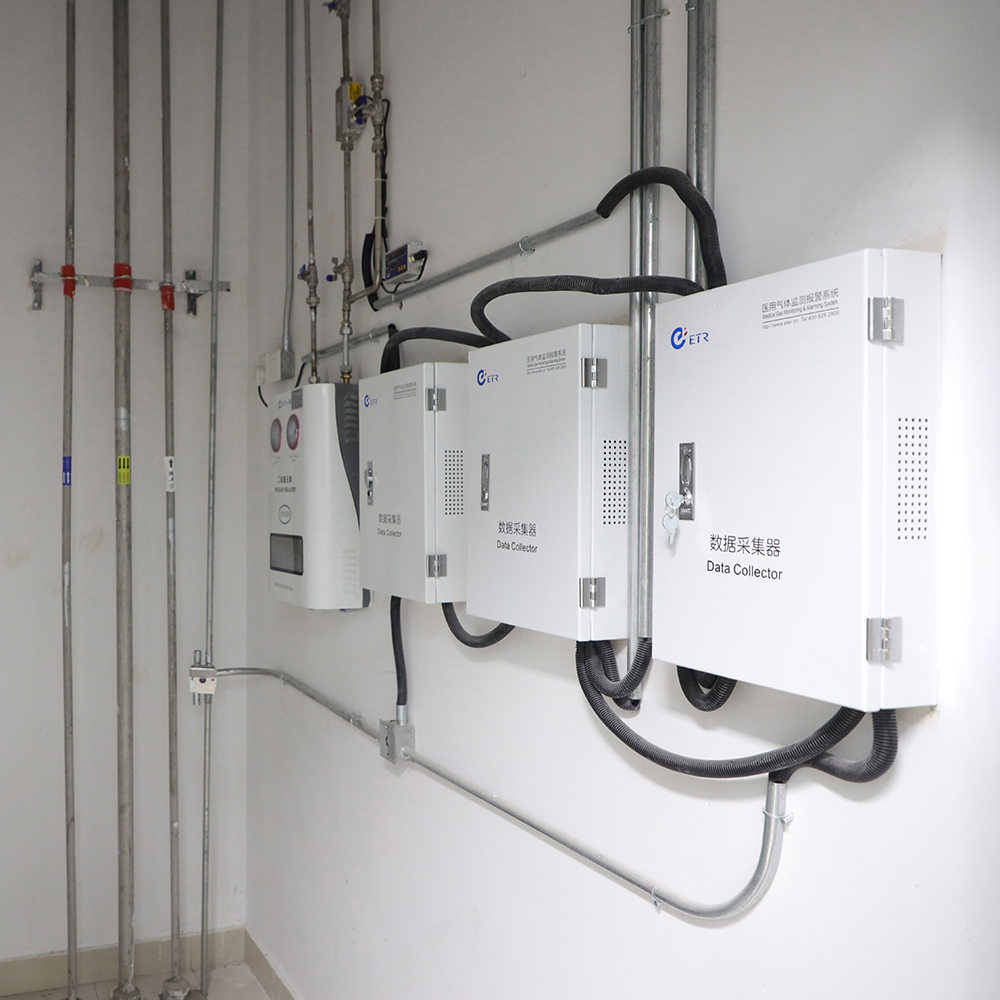
Medical Gas Pipeline System Fundamentals: Design, Components, and Safety-Critical Functions
Medical gas pipeline systems (MGPS) deliver life-sustaining gases—including oxygen, nitrous oxide, medical air, nitrogen, and vacuum—directly to patient care areas. Their fail-safe design prioritizes redundancy, segregation, and physical incompatibility: dedicated copper pipelines prevent cross-contamination, while non-interchangeable connectors (per NFPA 99) eliminate misconnection risks. Critical components include:
- Source equipment, such as bulk liquid oxygen tanks and high-pressure cylinder manifolds
- Pressure regulators and alarms, continuously monitoring flow integrity and system pressure
- Zone valves, enabling rapid emergency isolation of affected areas
- Outlet assemblies, calibrated for precise gas delivery at the point of use
These systems maintain tightly controlled pressure levels—typically 345–380 kPa (50–55 psi) for oxygen—to ensure uninterrupted ventilator support, anesthesia delivery, and other life-critical therapies. A single undetected leak or pressure drop below the NFPA 99 minimum of 50 psi can disable respiratory equipment mid-procedure. Copper remains the material of choice due to its antimicrobial properties, mechanical reliability, and zero oxygen permeability—non-negotiable for life-support applications.
System Integrity Risks: How Leaks, Contamination, and Pressure Failures Threaten Patient Safety
Compromised MGPS pose life-threatening risks through three interrelated failure modes: undetected leaks, cross-contamination, and pressure instability. A pinhole oxygen leak—just 0.5 L/min—depletes 720 liters daily: enough to sustain a ventilated patient for 12 hours. Bacterial ingress into nitrogen or vacuum lines has been linked to sepsis outbreaks in immunocompromised units. Pressure drops below 50 psi may silently disable anesthesia machines or ICU ventilators. Collectively, these failures account for 12% of clinical incidents involving life-support equipment (ECRI Institute, 2023).
Oxygen Shortage and Hypoxic Events from Undetected Leaks or Cross-Contamination
Undetected oxygen leaks erode supply reserves without triggering alarms—especially during high-demand periods like surgery. Cross-contamination events, such as nitrogen entering oxygen lines, induce rapid-onset hypoxia: 90% of exposed patients experience oxygen saturation below 80% within 90 seconds (Ponemon, 2023). Key vulnerability factors include corroded copper joints (common in facilities over 15 years old), unlabeled or mislabeled zone valve boxes, and shared vacuum pumps serving both surgical and medical zones—introducing contamination pathways that bypass isolation safeguards.
Alarm Malfunctions and False Negatives in Critical Care Environments
Alarm failures create dangerous blind spots in ICUs and ORs, where 74% of life-support devices rely on real-time pipeline pressure sensing. Failures arise from degraded battery backups in Automatic Transfer Switches (ATS), particulate clogging of pressure transducers, or network latency delaying alerts beyond the clinically acceptable 5-second threshold. This can trigger “cascading false negatives”—a single suppressed alarm masking subsequent deviations. In a 2022 Joint Commission review, 31% of operating rooms with documented pipeline pressure failures received no audible or visual alert despite sustained pressure drops below 45 psi.
Regulatory Compliance as a Safety Imperative: NFPA 99, ISO 7396-1, and HTM 02-01 Requirements
Medical gas pipeline systems operate under globally recognized, enforceable standards—including NFPA 99 (U.S.), ISO 7396-1 (international), and HTM 02-01 (UK)—all unified by a zero-tolerance philosophy toward purity, pressure stability, and system resilience. Non-compliance carries serious consequences: FDA enforcement actions have imposed penalties exceeding $50,000 per violation for purity breaches or missing redundancy controls (FDA, 2022). More critically, regulatory adherence directly correlates with reduced incident rates—facilities with fully validated, inspector-certified systems report 62% fewer hypoxic events over three-year audit cycles.
Zero-Tolerance Thresholds for Leak Rate, Purity, and Redundancy Testing
These standards enforce rigorously defined performance ceilings:
- Leak rate: ≤0.1% of total system volume per hour under NFPA 99 pressure decay testing
- Gas purity: ≥99.5% oxygen concentration; CO₂ <500 ppm; oil and particulate contamination strictly limited per ISO 8573-1 Class 2
- Redundancy: Dual independent manifolds, automatic switchover capability, and cross-referenced alarm logic per ISO 7396-1
Compliance requires documented quarterly pressure tests, continuous alarm logging, and annual validation by third-party certified inspectors—as mandated by HTM 02-01. When implemented proactively, these requirements function not as bureaucratic hurdles, but as engineered layers of clinical defense.
Proactive Risk Mitigation: Testing Protocols, Monitoring Technologies, and Maintenance Best Practices
Pressure Decay, Helium Tracer, and Automated Alarm Integration Strategies
Robust integrity assurance begins with standardized testing: pressure decay tests verify gross system tightness, while helium tracer detection identifies micro-leaks down to 0.1 ppm sensitivity—essential for preventing cross-contamination in high-risk zones like NICUs and ORs. Leading facilities integrate these protocols with automated alarm platforms that monitor real-time pressure deviation (>±15%), purity anomalies, and zone valve status—reducing mean response time to critical events by 78% (Journal of Clinical Engineering, 2023). Preventive maintenance follows evidence-based intervals: diaphragm valves replaced every five years, transducer calibration verified quarterly, and digital dashboards aligned with NFPA 99 pass/fail thresholds to sustain failsafe operations across the care continuum.
Frequently Asked Questions (FAQ)
What are medical gas pipeline systems (MGPS) used for?
Medical gas pipeline systems deliver life-sustaining gases like oxygen, nitrous oxide, medical air, nitrogen, and vacuum directly to patient care areas, supporting critical therapies such as ventilator support and anesthesia delivery.
Why is redundancy important in MGPS?
Redundancy ensures that multiple backup solutions are available to maintain system functionality in case of failure, preventing life-threatening interruptions in gas delivery.
What standards govern the operation of MGPS?
MGPS operate under standards such as NFPA 99, ISO 7396-1, and HTM 02-01, which ensure purity, pressure stability, and system resilience.
What is a common material used for MGPS components?
Copper is often used due to its antimicrobial properties, mechanical reliability, and zero oxygen permeability.
Table of Contents
- Medical Gas Pipeline System Fundamentals: Design, Components, and Safety-Critical Functions
- System Integrity Risks: How Leaks, Contamination, and Pressure Failures Threaten Patient Safety
- Regulatory Compliance as a Safety Imperative: NFPA 99, ISO 7396-1, and HTM 02-01 Requirements
- Proactive Risk Mitigation: Testing Protocols, Monitoring Technologies, and Maintenance Best Practices
- Frequently Asked Questions (FAQ)

