 EN
EN

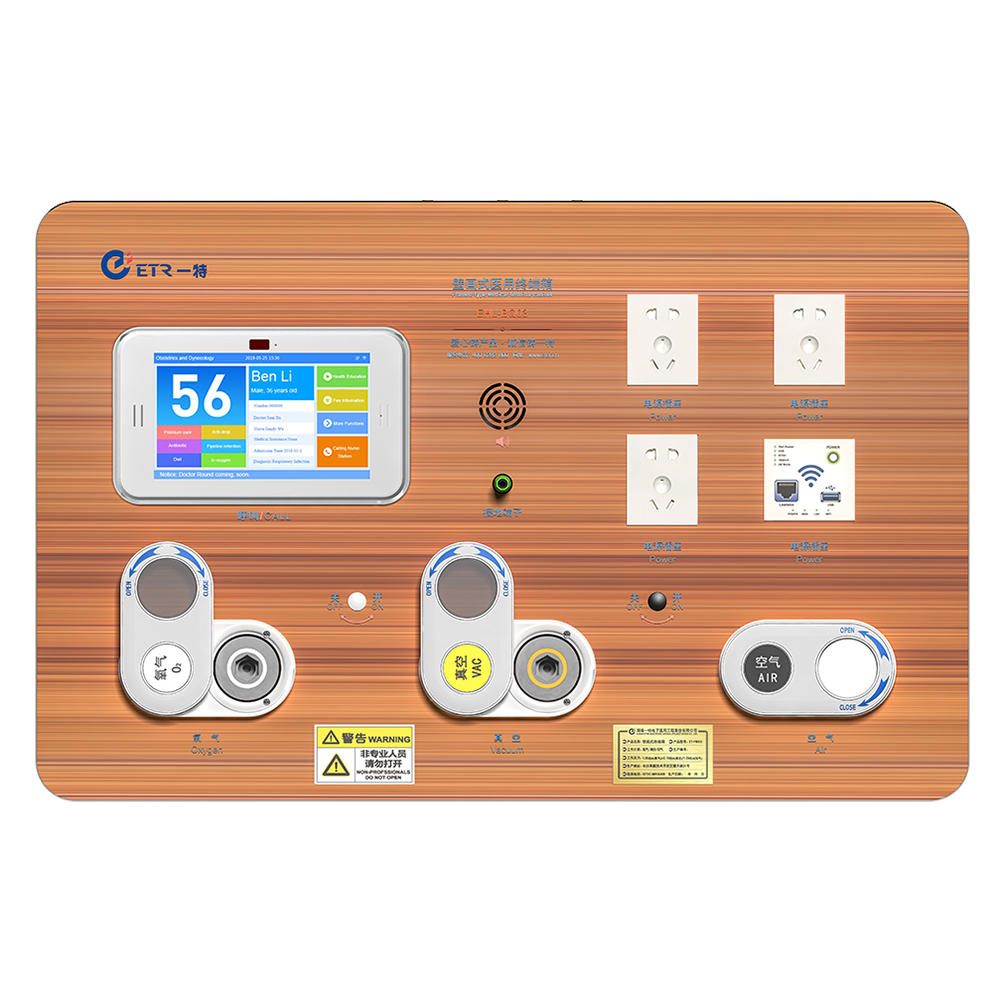
Medical Gas Integration and Regulatory Compliance
Precision Engineering of Oxygen, Vacuum, and Medical Air Outlets
Medical-grade gas delivery systems require precise engineering to ensure reliable performance during critical interventions. Outlets for oxygen, medical air, and vacuum must maintain consistent pressure (±3% tolerance) and flow rates—typically 100–240 L/min for oxygen—to support life-sustaining equipment. Seamless integration with bed head panels eliminates connection failures that compromise patient safety. Leak-proof brass fittings, color-coded valves, and tamper-resistant designs prevent cross-connection risks while enabling rapid clinical response. Improperly calibrated systems contribute to 18% of reported medical gas incidents, per 2023 facility safety audits.
Certification Alignment: HTM 02-01, NFPA 99, CBahi, and MOH Standards
Global healthcare regulations mandate strict adherence to regional frameworks governing medical gas systems. Facilities must verify compliance through third-party certifications aligned with authoritative standards—including HTM 02-01 (UK), NFPA 99 (Americas), CBahi (Middle East), and national Ministries of Health (MOH)—each emphasizing distinct safety priorities such as pipeline integrity, emergency shutdown protocols, biocompatible materials, and ventilation redundancy. Unannounced audits now scrutinize documentation trails for installation verification (ISO 7396-1) and maintenance logs; non-compliance penalties average $40,000 per violation, according to the 2023 Healthcare Compliance Report. Periodic re-certification every 6–12 months ensures alignment with evolving requirements, including the 2024 NFPA 99 amendments for seismic zone installations.
Electrical and Data Infrastructure for Clinical Resilience
Isolated Circuits, UPS Integration, and Emergency Power Prioritization
Healthcare bed head panels require isolated electrical circuits to prevent electromagnetic interference with sensitive monitoring and life-support equipment like ventilators. Integrating Uninterruptible Power Supply (UPS) systems ensures seamless transitions during outages—bridging the gap until backup generators activate—while advanced load-shedding protocols prioritize power to critical devices over non-essential loads. Tiered power architectures with automatic failover deliver 99.9% uptime for essential systems during grid instability. Color-coded outlets visually distinguish prioritized circuits, reducing human error in high-stress scenarios.
Future-Proof Connectivity: PoE++, USB-C, and IoT-Ready Data Ports
Modern panels integrate PoE++ (Power over Ethernet), delivering up to 90W to clinical displays and other devices via single-cable solutions that simplify installation and reduce cable clutter. USB-C ports support 100W charging and 40Gbps data transfer—enabling rapid diagnostics via tablets or portable scanners. IoT-ready RJ45 ports facilitate smart sensor networks for real-time asset tracking and environmental monitoring. Standardized modular bays allow seamless upgrades to emerging protocols—including 5G medical devices and AI-driven tools—without panel replacement. This scalability lowers long-term infrastructure costs while supporting bandwidth-intensive telemedicine applications.
Infection Control Through Hygienic Bed Head Panel Design
Seamless Surfaces, Sloping Profiles, and Concealed Fixings for Effective Disinfection
Hospital-acquired infections (HAIs) affect 1 in 31 patients, per CDC surveillance data—making hygienic design a non-negotiable priority. Bed head panels engineered for infection control feature three core elements:
- Seamless surfaces, eliminating crevices where pathogens accumulate and enabling thorough wiping with hospital-grade disinfectants
- Sloping profiles, preventing liquid pooling and dust buildup on horizontal ledges
- Concealed mechanical fixings, removing contamination-prone screw heads and joints
These features collectively reduce biofilm formation risk by 62% compared to conventional units. Antimicrobial copper alloys provide continuous bacterial neutralization between cleanings, while rounded coved corners ensure uninterrupted cleanability—critical in ICUs and isolation wards serving immunocompromised patients.
Ergonomic Configuration and Workflow Optimization
Full Cabinet, L-Shaped, and Double-L/Goalpost Layouts: Impact on Caregiver Efficiency and Patient Safety
Strategic bed head panel layouts directly shape clinical efficiency and safety. Full cabinet designs consolidate equipment vertically, minimizing wall footprint while positioning critical controls at standing-eye level—reducing bending by 30% during routine monitoring. L-shaped configurations create intuitive clinician zones: one side for gas access, the other for monitors—cutting task-switching delays. Double-L or goalpost layouts support bilateral access during emergencies, correlating with 22% faster response times in resuscitation events, per peer-reviewed workflow studies. All configurations incorporate recessed handles (to eliminate snag hazards), angled service panels (to preserve sterile fields), and standardized control heights (1,100–1,350 mm) accommodating 95% of clinical staff—reducing repetitive strain injuries and ensuring immediate access to call systems and oxygen controls.
FAQ
Why is precision engineering crucial for medical gas outlets?
Precision engineering ensures reliable pressure and flow rates, reducing connection failures that compromise patient safety during critical interventions.
What are the key regulatory standards for medical gas systems?
Key standards include HTM 02-01 (UK), NFPA 99 (Americas), CBahi (Middle East), and respective national Ministries of Health (MOH) regulations.
How do modern panels enhance electrical and data infrastructure?
Modern panels integrate isolated circuits, UPS systems, PoE++, USB-C, and IoT-ready ports for resilience, connectivity, and future-proof scalability.
What features promote infection control in bed head panels?
Seamless surfaces, sloping profiles, concealed fixings, and antimicrobial materials reduce biofilm formation and enhance disinfection effectiveness.
How do ergonomic layouts optimize caregiver workflows?
Layouts like full cabinet, L-shaped, and double-L/goalpost designs reduce task-switching delays, ensure accessibility, and improve safety during emergencies.
Table of Contents
- Medical Gas Integration and Regulatory Compliance
- Electrical and Data Infrastructure for Clinical Resilience
- Infection Control Through Hygienic Bed Head Panel Design
- Ergonomic Configuration and Workflow Optimization
-
FAQ
- Why is precision engineering crucial for medical gas outlets?
- What are the key regulatory standards for medical gas systems?
- How do modern panels enhance electrical and data infrastructure?
- What features promote infection control in bed head panels?
- How do ergonomic layouts optimize caregiver workflows?

