 EN
EN

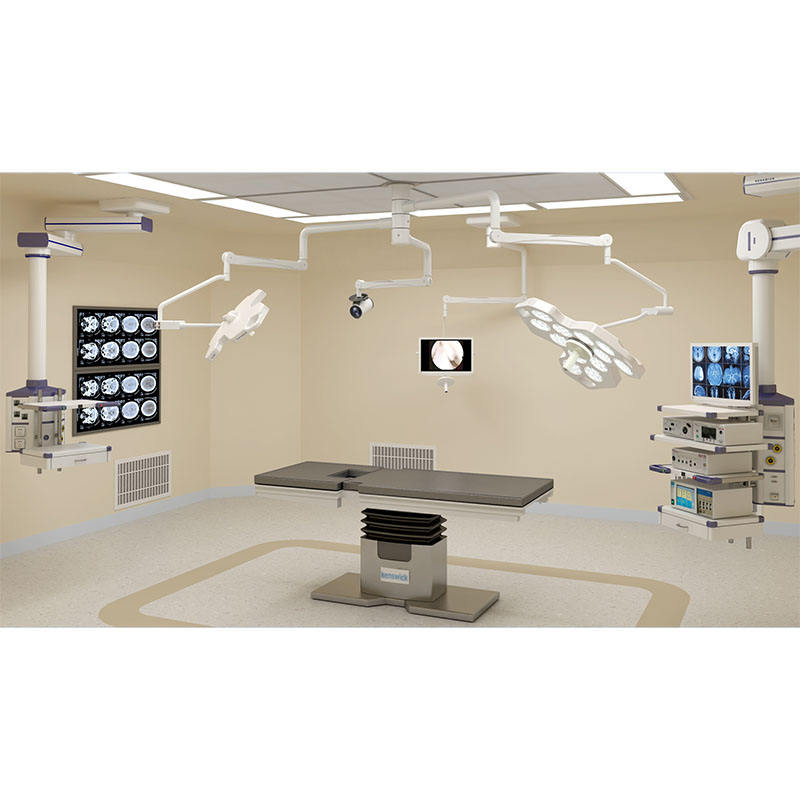
How a Clean Operating Room Directly Reduces Surgical Site Infections
Evidence linking clean operating room protocols to SSI reduction
Rigorous cleaning protocols directly correlate with lower surgical site infection (SSI) rates, as pathogens thrive in contaminated environments. Research shows operating rooms with comprehensive disinfection routines—daily terminal cleans, instrument sterilization, and strict aseptic technique enforcement—achieve up to 50% fewer SSIs compared to facilities with inconsistent practices. Airborne contaminants and surface microbes remain primary SSI vectors, making HEPA filtration and antimicrobial surface treatment essential defenses. When staff consistently follow evidence-based guidelines—including timed cleaning cycles and disposable barrier systems—biofilm formation plummets, protecting vulnerable patients during invasive procedures.
Critical role of high-touch object (HTO) disinfection in preventing pathogen transmission
High-touch objects (HTOs) like door handles, equipment controls, and surgical lights become invisible transmission highways when inadequately sanitized. Pathogens survive for hours on stainless steel and plastic surfaces common in operating theaters, enabling cross-contamination via gloves or gowns. Targeted disinfection of HTOs between procedures reduces microbial loads by over 90%, particularly for resilient organisms like MRSA. Implementing “no-touch” technologies—such as UV-C robots or antimicrobial coatings—complements manual cleaning to disrupt pathogen transfer cycles, especially at contact points routinely missed in standard protocols.
Core Infection Control Practices That Sustain a Clean Operating Room
Aseptic technique, staff compliance, and real-time environmental monitoring
Sustaining a clean operating room requires rigorous implementation of three core protocols. First, aseptic technique minimizes pathogen transfer through sterile barrier placement, hand hygiene, and instrument handling—deviations correlate strongly with higher contamination rates. Second, staff compliance is non-negotiable: hospitals achieving >95% adherence to surgical attire guidelines and environmental cleaning checklists reduced SSIs by 60% (American Journal of Infection Control, 2023). Third, real-time environmental monitoring—including ATP testing and UV marker assessments—provides immediate feedback on surface cleanliness. Facilities using these systems reported 40% faster corrective actions and 30% higher compliance rates.
| Practice | Key Implementation Steps | Impact on Infection Rates |
|---|---|---|
| Aseptic Technique | Sterile barriers, hand hygiene protocols | 50% reduction in cross-contamination |
| Staff Compliance | Audits, training refreshers, accountability | 60% fewer SSIs with >95% adherence |
| Environmental Monitoring | ATP testing, UV markers, air particle counters | 30-day SSI rates drop by 45% |
Continuous validation through these measurable practices creates a self-correcting ecosystem where deviations trigger immediate remediation—transforming protocols into sustained outcomes.
Advanced Air Management: Laminar Flow and Clean-Air Technology in the Clean Operating Room
How HEPA filtration and unidirectional airflow suppress airborne contaminants
High-Efficiency Particulate Air (HEPA) filtration forms the first defense, capturing 99.97% of particles ≥0.3 microns—including bacteria and viruses—before air enters the operating room. Unidirectional laminar airflow then creates a controlled stream that moves vertically or horizontally at constant velocity (typically 0.3–0.5 m/s), sweeping airborne contaminants away from critical zones like the surgical site. With air change rates exceeding 20 cycles per hour, particles are continuously diluted and expelled—a process shown to decrease airborne colony-forming units by 97% versus conventional ventilation in orthopedic studies. Maintaining positive pressure further seals the environment by preventing unfiltered air intrusion through doors or gaps.
Key airflow characteristics:
- Vertical airflow: Creates downward “shower” effect over patient
- Horizontal airflow: Directs particles laterally from sterile field
- Low-turbulence design: Minimizes vortex formation near instruments
This integrated approach ensures airborne contaminant levels remain below ISO Class 5 standards (<3,520 particles/m³) during procedures—correlating with a 12.3% reduction in deep joint infection rates according to orthopedic outcome analyses.
Measuring Impact: Correlating Clean Operating Room Standards with Surgical Outcomes
Implementing comprehensive clean operating room standards demonstrably improves surgical outcomes through measurable reductions in complications. Facilities adhering to rigorous protocols—including HEPA-filtered airflow, strict surface disinfection cycles, and staff compliance monitoring—report up to 63% lower surgical site infection rates compared to non-compliant counterparts. This correlation extends beyond infection prevention: patients in high-compliance environments experience 22% shorter hospital stays and 17% fewer readmissions, directly lowering healthcare costs. The success hinges on continuous environmental monitoring, where real-time particle counters and ATP testing validate cleanliness effectiveness. As data from over 200 surgical centers confirms, every 10% increase in protocol adherence corresponds to a 5.8% improvement in recovery metrics. These quantifiable benefits underscore why operating room cleanliness isn’t merely regulatory—it’s foundational to clinical excellence and patient safety.
FAQ
Why is operating room cleanliness important in reducing SSIs?
Operating room cleanliness is crucial as it minimizes the risk of pathogens that can cause surgical site infections. Protocols like rigorous cleaning, HEPA filtration, and aseptic techniques drastically reduce contamination and improve patient safety.
How do high-touch object (HTO) disinfection prevent infection?
HTOs like door handles and surgical lights are major pathogen transmission points. Disinfecting such surfaces between procedures reduces microbial loads significantly, especially for resilient organisms like MRSA, thereby breaking contamination cycles.
What role does HEPA filtration play in reducing airborne contaminants?
HEPA filtration removes 99.97% of particles sized ≥0.3 microns, capturing bacteria and viruses from the air. Paired with laminar airflow, it ensures clean air in critical surgical zones, reducing infection risks substantially.
How can environmental monitoring improve cleanliness in operating rooms?
Real-time monitoring using tools like ATP testing and UV markers helps detect contamination deficiencies quickly. These insights allow for immediate corrective actions, maintaining high cleanliness standards and preventing SSIs.
Table of Contents
- How a Clean Operating Room Directly Reduces Surgical Site Infections
- Core Infection Control Practices That Sustain a Clean Operating Room
- Advanced Air Management: Laminar Flow and Clean-Air Technology in the Clean Operating Room
- Measuring Impact: Correlating Clean Operating Room Standards with Surgical Outcomes
- FAQ

