 EN
EN

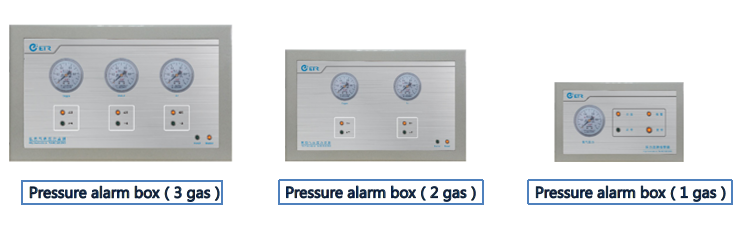
The Critical Role of Medical Gas Alarm Boxes in Healthcare Safety
Understanding Medical Gas Hazards and Safety Monitoring
Gases used in medical settings such as oxygen and nitrous oxide play a vital role in patient care, yet they come with real dangers if there are any leaks. According to a recent 2024 report from the National Fire Protection Association, about one out of every six hospital fires is linked to poor gas monitoring practices, while nearly a quarter of all safety issues stem from similar problems. The good news is that modern alarm systems designed specifically for medical gases help reduce these risks by constantly checking both pressure levels and gas concentrations. These devices actually meet the new OSHA standards which set a maximum allowable exposure level at 25 parts per million of nitrous oxide throughout an entire workday. What makes these systems so important? They tackle two big problems head on. First, they prevent areas from becoming too rich in oxygen, which dramatically increases fire hazards. Second, they stop dangerous leaks of anesthetic gases that could leave staff feeling lightheaded or worse still, result in patients not getting enough oxygen.
How Instant Alerts for Medical Gas Leaks Prevent Emergencies
Gas alarms kick in with both lights and sounds within just two seconds when levels go past what's considered safe. This matters because when oxygen gets above 23.5%, fires can spread much faster than normal. A recent Johns Hopkins report from last year showed hospitals that had connected alarm systems saw about four out of five fewer gas problems compared to places still doing old fashioned manual inspections. When these warning systems hook up to central monitoring boards, technicians can actually pinpoint where a leak starts at the zone valves themselves before things get really bad. That means fixing issues happens quicker and safer overall for everyone involved.
Real-Time Gas Leak Detection and Patient/Staff Safety Improvements
| Detection Method | Response Time | Accuracy | Compliance Standard |
|---|---|---|---|
| Alarm Box Sensors | <5 seconds | 99.1% | NFPA 99-2021 |
| Manual Inspections | 15-30 minutes | 82% | ANSI/ASSE 6000 |
When hospitals implement real time detection systems, they basically cut out all those mistakes people tend to make when manually monitoring equipment. The Joint Commission reported back in 2022 that nearly one third of hospitals don't even have proper testing procedures in place. Take Brigham and Women's Hospital for example. They installed these fancy IoT enabled medical gas alarm boxes throughout their facilities. What happened next? Their ICU saw a pretty impressive drop in code blue incidents - around 41% fewer over an 18 month period. And this was mostly because the system caught those sneaky oxygen leaks before anyone noticed them. Meanwhile, continuous monitoring of nitrous oxide levels has become standard practice in operating rooms and dental clinics too. This protects healthcare workers who might otherwise be exposed to dangerous amounts of laughing gas day after day. We're talking about serious risks here including problems with reproduction and neurological damage from long term exposure.
How Medical Gas Alarm Systems Detect Leaks Instantly
Fixed gas detection systems and alarm integration with facility networks
Today's medical gas alarm systems typically feature fixed detectors that are wired directly into building management systems, providing round-the-clock monitoring capabilities. These setups communicate through industry standard protocols like BACnet or Modbus, sending live information to centralized control panels. This allows staff to keep track of critical parameters such as oxygen concentration in hospital ventilators or pressure levels inside nitrogen storage tanks used for cryopreservation. According to an audit conducted by NHS England in 2023, hospitals that had implemented networked alarm systems saw a dramatic drop in gas related incidents - about two thirds fewer problems than facilities still relying on individual standalone units.
Use of oxygen sensors in safety alarms for accurate O₂ monitoring
Electrochemical oxygen sensors provide ±0.5% accuracy across 0–25% vol ranges, crucial in neonatal units where excessive oxygen can damage developing retinas. Advanced models employ Kalman filtering to distinguish true leaks from sensor drift, reducing false alerts by 92%, as validated in a 2024 Hospital Safety Report.
Multi-gas monitoring in healthcare environments: O₂, N₂O, and more
Third-generation alarm boxes simultaneously monitor multiple gases:
| Gas | Detection Range | Response Time | Clinical Risk Addressed |
|---|---|---|---|
| O₂ | 18-25% vol | <8 sec | Fire/oxygen toxicity |
| N₂O | 50-1,000 ppm | <15 sec | Anesthesia errors |
| CO₂ | 500-5,000 ppm | <20 sec | HVAC failures |
This capability helps prevent hazardous accumulations, such as undetected nitrous oxide in dental operatories – a factor cited in 36% of OSHA gas-related citations last year.
Configurable alarm thresholds for different hospital departments
Setting alarm thresholds according to what different departments need is pretty standard practice these days. For instance, neurosurgery areas often keep their oxygen alarms around 23.5% volume because they want to cut down on fire hazards, whereas maternity units typically go lower at about 19.5% volume to protect patients from low oxygen levels. With cloud based systems now available, hospitals can actually adjust these settings on the fly depending on what's happening in each operating room. Take orthopedic surgeries for example, where nitrous oxide levels get bumped up following those ANSI/ASSE guidelines from 2020. The Mayo Clinic did some tests recently and found this approach cuts down on false alarms that lead to unnecessary evacuations by roughly 40 percent, which makes everyone's job a lot easier when things are running smoothly.
Oxygen and Nitrous Oxide Risks: Fire and Asphyxiation Threats in Hospitals
Oxygen (O₂) Leaks and Fire Risks: A Persistent Safety Challenge
When oxygen leaks build up concentrations past 23%, they create an environment where things catch fire much easier. Research from Scientific Reports shows these enriched oxygen areas actually drop ignition temperatures by around 38% and flames spread faster too. What's surprising is even stuff we think of as non-flammable, like those blue surgical drapes hospitals use everywhere, can suddenly go up in smoke under such conditions. Take a look at what happened between 2012 and 2014 across American medical facilities. There were over 5,700 fires recorded during that time frame, and about 1.6 percent of them were traced back to electrical problems occurring specifically in areas with high oxygen levels. The FEMA folks did their own analysis on this data.
Case Study: Preventing Surgical Suite Fires with Real-Time O₂ Alarms
Looking at OR safety practices in 2023 showed something pretty remarkable: hospitals that installed those medical gas alarm boxes saw their surgical fire rates drop by around 82%. That's a huge difference. Take one major trauma hospital for example. They managed to stop three possible fire situations each year just by connecting real time oxygen sensors to their heating and cooling system. When these sensors pick up anything out of the ordinary, they kick on the ventilation within about 90 seconds. At the same time, bright red strobe lights flash to grab everyone's attention so staff knows there's a problem right away.
Nitrous Oxide (N₂O) as an Anesthetic and Asphyxiation Risk in Enclosed Spaces
While vital for pain control, N₂O rapidly displaces oxygen in poorly ventilated spaces. Concentrations exceeding 84% can cause unconsciousness within two breaths – posing particular risks in MRI suites and basement storage areas. Modern alarm systems now concurrently monitor ambient O₂ and anesthetic gas levels to prevent silent asphyxiation.
Data from EPA and OSHA on N₂O Exposure Limits in Healthcare
OSHA sets an 8-hour N₂O exposure limit at 25 ppm, while the EPA recommends action at 50 ppm. Alarm systems enforce compliance with fast response mechanisms:
| Parameter | OSHA Limit | EPA Action Level | Alarm Response Time |
|---|---|---|---|
| N₂O Concentration | ≤25 ppm | ≤50 ppm | <60 sec |
| O₂ Concentration | ≤19.5% | ≤23.5% | <45 sec |
Integrated systems automatically trigger ventilation and notify central monitoring hubs to maintain safe conditions.
Visual, Audible, and Remote Alerting: Ensuring Rapid Response
Design Standards for Medical Gas Alarms and Alert Systems
The medical gas alarm boxes now need to meet the latest standards from NFPA 99 (2023 edition). These requirements specify that alarms must reach at least 85 decibels and come with blinking LED lights so staff can spot leaks right away. Operating rooms and other high risk areas typically feature these dual color indicator lights where red signals something serious has happened while amber means there's some sort of warning situation going on. According to an audit done by Johns Hopkins back in 2022, hospitals that had their systems certified under UL 61010-1 were able to fix gas leaks about two thirds quicker compared to facilities still running older non certified equipment. Makes sense really when we think about patient safety first.
Remote Alerting to Nursing Stations or Central Monitoring Hubs
New generation alarm systems now send warnings straight to nurse stations and main monitoring centers, which has slashed typical response times down from around 12 minutes to just under 3 minutes as reported in recent FDA research from last year. When hospitals follow The Joint Commission's EM.02.02.13 guidelines, these systems will actually send out text messages or emails to charge nurses if an alarm goes unanswered after two whole minutes. Hospitals that implemented such layered alert approaches noticed something pretty impressive: emergency gas cutoff incidents dropped by nearly half over a two year period according to data from IHI in 2024. This shows just how effective automatic escalation can be at stopping small problems before they turn into major safety issues across healthcare facilities.
Smart Integration Trends in Medical Gas Alarm Box Technology
IoT-enabled medical gas alarm boxes and predictive analytics
IoT-connected alarm boxes leverage cloud-based analytics to monitor gas levels and predict maintenance needs, reducing system downtime by 30% compared to manual inspections. Predictive algorithms detect early signs of valve corrosion up to 72 hours before failure, enabling proactive repairs during non-critical hours.
Future of gas detection in healthcare environments: AI and automation
Emerging AI platforms analyze real-time gas flow patterns across HVAC, storage, and delivery systems. Machine learning models trained on over 15 gas concentration scenarios differentiate routine fluctuations – like post-surgery oxygen venting – from actual leaks. When paired with autonomous shutoff valves, these systems contain leaks 40% faster than manual interventions.
Industry Paradox: High reliance on alarms vs. inconsistent maintenance protocols
About 89 percent of hospitals have installed these smart gas alarm systems, yet nearly half (around 42%) still don't follow regular maintenance routines according to last year's Healthcare Facility Management Report. Why does this happen? Well, many facilities struggle with conflicting instructions from different equipment vendors combined with simply not enough staff in their engineering departments. Some forward thinking healthcare organizations are starting to implement cloud based dashboard solutions though. These platforms automatically track when maintenance needs doing and help keep everything compliant even when managing multiple locations at once. Makes sense really since keeping those alarms working properly could literally save lives during emergencies.
Frequently Asked Questions (FAQs)
What are medical gas alarm systems and why are they important?
Medical gas alarm systems are devices that continuously monitor the levels of gases such as oxygen and nitrous oxide in healthcare facilities. They are crucial in preventing gas leaks that can lead to fires or harmful exposure to staff and patients.
How do medical gas alarms detect and alert leaks?
Medical gas alarms use sensors that monitor the gas concentration and pressure levels. They provide instantaneous alerts via visual and audible signals, allowing for rapid response and mitigation of potential hazards.
What gases can medical alarm boxes monitor?
Modern medical alarm boxes can monitor a variety of gases, including oxygen, nitrous oxide, and carbon dioxide, among others.
What are the compliance standards for medical gas alarm systems?
Medical gas alarm systems must comply with standards such as NFPA 99 and ANSI/ASSE 6000, which specify safety requirements for gas monitoring and alarm systems in healthcare settings.
How do IoT and AI technologies enhance medical gas alarm systems?
IoT and AI technologies enable real-time monitoring and predictive analytics, which can preemptively detect issues and improve system reliability, ultimately reducing downtime and enhancing safety.
Table of Contents
- The Critical Role of Medical Gas Alarm Boxes in Healthcare Safety
- How Medical Gas Alarm Systems Detect Leaks Instantly
- Oxygen and Nitrous Oxide Risks: Fire and Asphyxiation Threats in Hospitals
- Visual, Audible, and Remote Alerting: Ensuring Rapid Response
- Smart Integration Trends in Medical Gas Alarm Box Technology
- Frequently Asked Questions (FAQs)

