 EN
EN

Medical Gas Integration in the Bed Head Panel: Safety, Modularity, and Clinical Workflow
Compliance-Driven Design: ISO 8573 Air Quality and NFPA 99 Gas Delivery Standards
The foundation of any reliable bed head panel begins with strict adherence to global safety and quality standards for medical gas systems. Compliance with ISO 8573 ensures compressed medical air meets stringent purity requirements—removing oil vapor, moisture, and particulates that could compromise respiratory therapy or ventilator performance. Meanwhile, NFPA 99 governs the design, installation, testing, and maintenance of medical gas systems in healthcare facilities, mandating fail-safe labeling, cross-connection prevention, and real-time alarm monitoring for all gas sources. Integrating these standards directly into the panel’s architecture—not as an afterthought but as a core engineering principle—ensures traceability, minimizes human error, and safeguards patients from contamination or misdelivery risks.
Modular Outlet Configurations for Oxygen, Vacuum, Medical Air, and Nitrous Oxide
Modularity transforms the bed head panel from a static utility point into a dynamic clinical interface. Dedicated, color-coded outlets for oxygen (green), vacuum/suction (yellow), medical air (white), and nitrous oxide (blue) support rapid, intuitive connections while reducing the risk of misapplication. This configuration enables facility-wide customization: ICU bays may deploy dual oxygen and triple vacuum ports for high-acuity care, whereas general wards use leaner layouts optimized for routine monitoring. Critically, modular designs eliminate reliance on freestanding gas columns or extension manifolds—freeing floor space, simplifying cleaning protocols, and improving staff mobility. Because outlets are field-replaceable and gas modules are hot-swappable, hospitals can adapt to evolving clinical needs—such as adding helium-oxygen blends for asthma protocols—without full-panel replacement or construction disruption.
Electrical Receptacle Integration in the Bed Head Panel: Power Reliability and Clinical Safety
UL 60601-1–Compliant Isolated Circuits with Emergency Backup and Surge Protection
Electrical integration must meet the same uncompromising safety bar as medical gases. UL 60601‑1 compliance is non-negotiable: it requires isolated power circuits that limit leakage current to safe thresholds—critical when devices like ECG leads or catheter-based sensors are connected directly to patients. Modern panels embed this isolation at the source, physically separating patient-care-related outlets from general-purpose circuits. Coupled with automatic transfer switches, these systems switch to emergency backup power within 10 milliseconds during utility outages—preserving ventilator function, infusion pump operation, and bedside monitor integrity. Integrated surge protection further shields sensitive electronics from transients generated by MRI suites, linear accelerators, or large HVAC systems. The result is clean, continuous, clinically grade power delivered precisely where it’s needed—fulfilling both NFPA 99’s essential electrical system requirements and frontline expectations for zero-failure resilience.
Nurse Call System Integration Within the Bed Head Panel: Connectivity, Redundancy, and User Experience
Hardwired vs. PoE-Enabled Interfaces: Button Logic, Visual/Audible Status Indicators, and System Interoperability
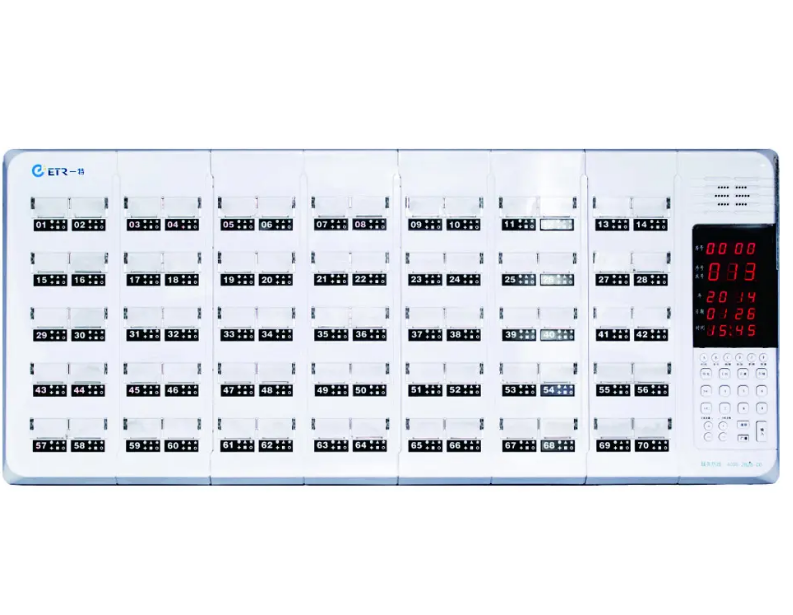
Embedding nurse call functionality directly into the bed head panel removes communication friction without sacrificing reliability. Hardwired interfaces offer deterministic latency and immunity to network congestion—ideal for life-critical alerts—while Power over Ethernet (PoE) solutions simplify deployment, reduce cabling complexity, and enable native integration with hospital IT infrastructure and unified communications platforms. Contemporary panels combine both: PoE handles routine calls and status updates, while hardwired paths serve as a failsafe for priority alerts. Intuitive button logic includes dedicated keys for patient-initiated calls, bathroom emergencies, and staff assistance—each mapped to distinct escalation rules. Multi-color LED indicators (red = active emergency, amber = pending response, green = acknowledged) provide immediate visual feedback at the bedside, and tiered audio tones ensure appropriate urgency without unnecessary alarm fatigue. Interoperability extends beyond the wall: alerts route intelligently across nurse stations, mobile devices, and wearable badges based on real-time staff location and acuity load—ensuring the right responder reaches the right patient, every time.
Unified Bed Head Panel Design: Structural Consolidation, Installation Efficiency, and Future-Ready Scalability
Cleveland Clinic 2022 Retrofit Case Study: Standardization, Reduced Wall Clutter, and Multi-System Interoperability
A unified bed head panel consolidates medical gas, electrical, and nurse call systems into a single, engineered assembly—delivering structural, operational, and clinical advantages. Standardized mounting frames, shared conduit pathways, and coordinated termination points cut wall penetrations by up to 40% versus legacy point-solution installations. This consolidation reduces visual clutter, improves infection control through fewer surface seams and crevices, and accelerates commissioning timelines. A 2022 retrofit across six acute-care floors at a major U.S. health system demonstrated how standardizing on a unified panel platform enabled seamless interoperability between ventilators, infusion pumps, and central monitoring systems—all while supporting future-ready capabilities like embedded IoT environmental sensors and PoE-powered lighting controls. The initiative yielded $740k in annualized savings from reduced maintenance labor, minimized retrofit downtime, and extended equipment lifecycle—validating unified design not just as a convenience, but as a strategic enabler of clinical agility and infrastructure longevity.
Table of Contents
- Medical Gas Integration in the Bed Head Panel: Safety, Modularity, and Clinical Workflow
- Electrical Receptacle Integration in the Bed Head Panel: Power Reliability and Clinical Safety
- Nurse Call System Integration Within the Bed Head Panel: Connectivity, Redundancy, and User Experience
- Unified Bed Head Panel Design: Structural Consolidation, Installation Efficiency, and Future-Ready Scalability

